
The Locarno Film Festival is an annual, international film festival that has taken place in Locarno, Switzerland since 1946. While maybe not as much of a household name as Cannes or Sundance, Locarno is still considered a premiere film festival and their grand prize, the Pardo d’Oro (Golden Leopard), is considered one of the most prestigious in independent cinema. This year they will be showcasing seven Arab films at Locarno, which takes place August 7-17.
Concorso Internazionale
Consisting of world or international premieres, the Concorso Internazionale assembles major films from all over the globe to compete for the Pardo d’Oro.
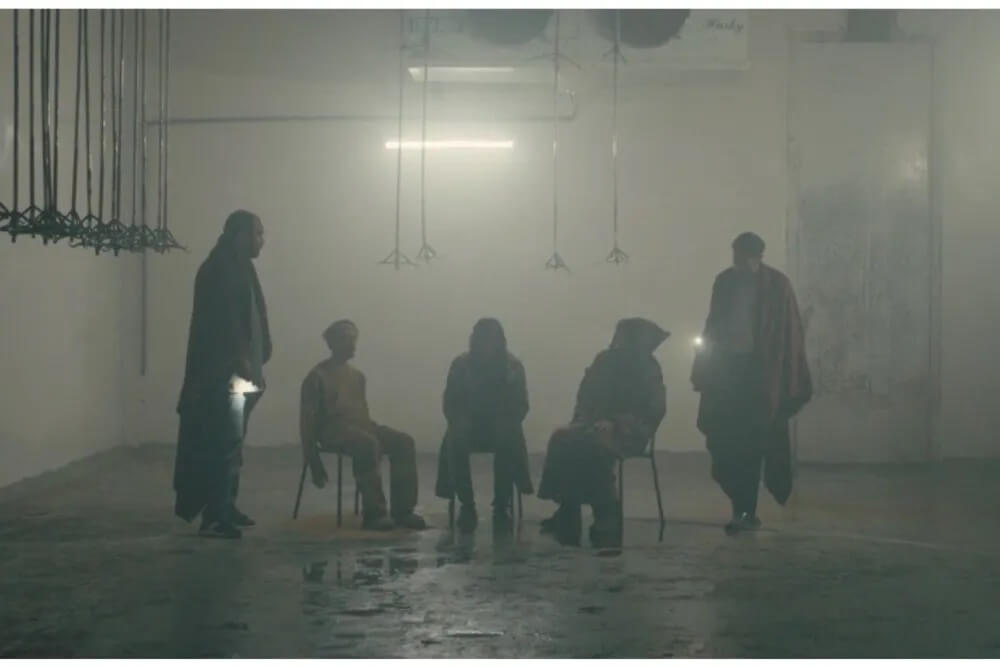
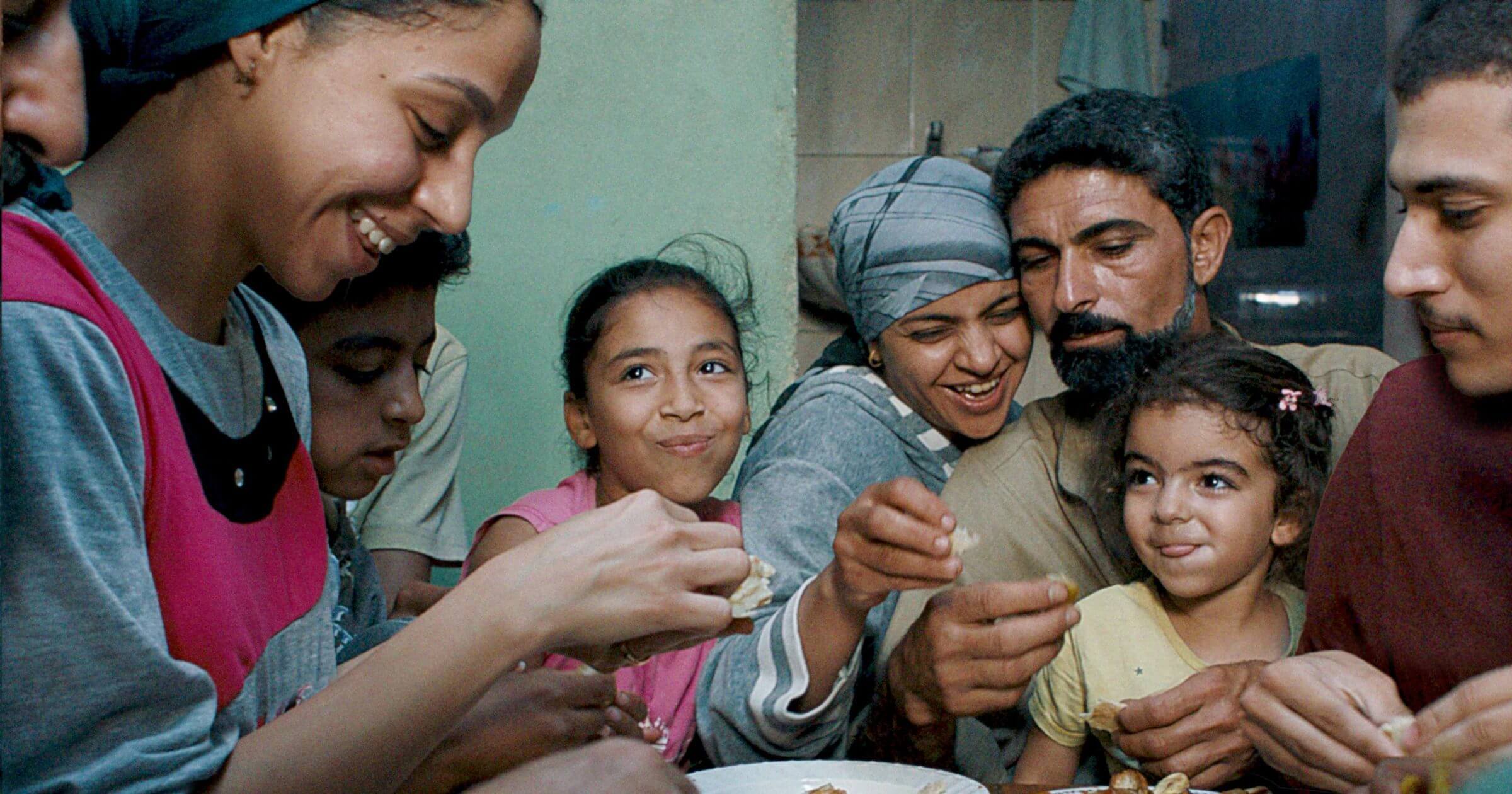
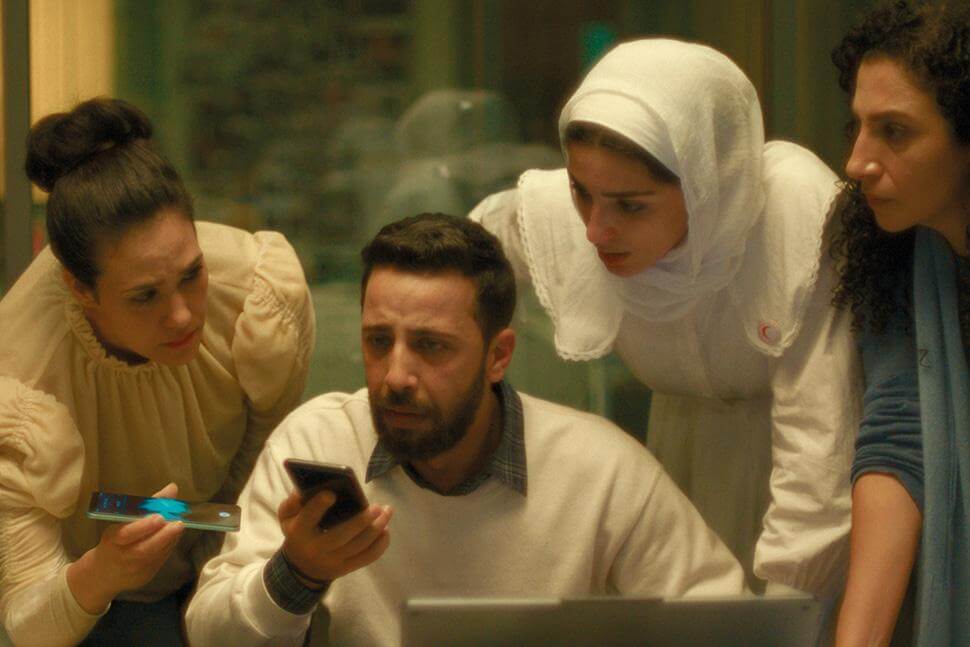
Film still from Agora
Agora dir. Ala Eddine Slim
Tunisia, France, Saudia Arabia, Qatar – Narrative Feature
In a remote and reclusive town, the missing people return and appear enigmatic and bizarre. The tension within the families, the community, and the town grows. Fathi, a local police inspector, tries to understand what is happening, with the help of Amine, his doctor friend. As they go about their respective investigations with Fathi investigating and Amine analyzing, the two friends become stuck in the absurdity and strangeness of the case. Then Omar, a police inspector sent from the capital, arrives to the city to solve the enigma. The stories intertwine and intermingle, while the atmosphere becomes oppressive. What happened when they disappeared? Will Omar’s arrival bring understanding? Is there still time to understand? As tension mounts among the inhabitants, some groups form to exclude the returnees, while others call for them to be welcomed back. A curse falls on the town and the matter becomes complicated. Many questions and encounters take place in the city arena and under the gaze of stray dogs.
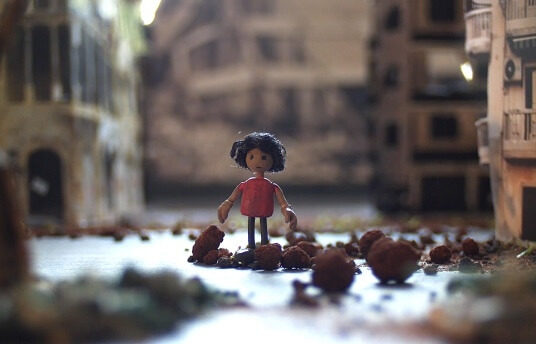
Film still from Green Line
Green Line dir. Sylvie Ballyot
France, Lebanon, Qatar – Narrative Feature
“In my country, they call me “The Cat”, because like cat I died seven times, and seven times I came back to life”. The film opens on a tale with animated figurines in miniature settings reconstructing Fida’s childhood during the war. It then shifts to a documentary style with a series of real confrontations between Fida and ex-militiamen manipulating the small figurines. The miniature material becomes a bridge between different subjective stories, infusing the collective history with individual details. The experience of this confrontational space turns out to be cathartic. The narrative moves around between realities and temporalities, proceeding from Fida’s childhood in the eye of the storm during the war in the eighties until today.
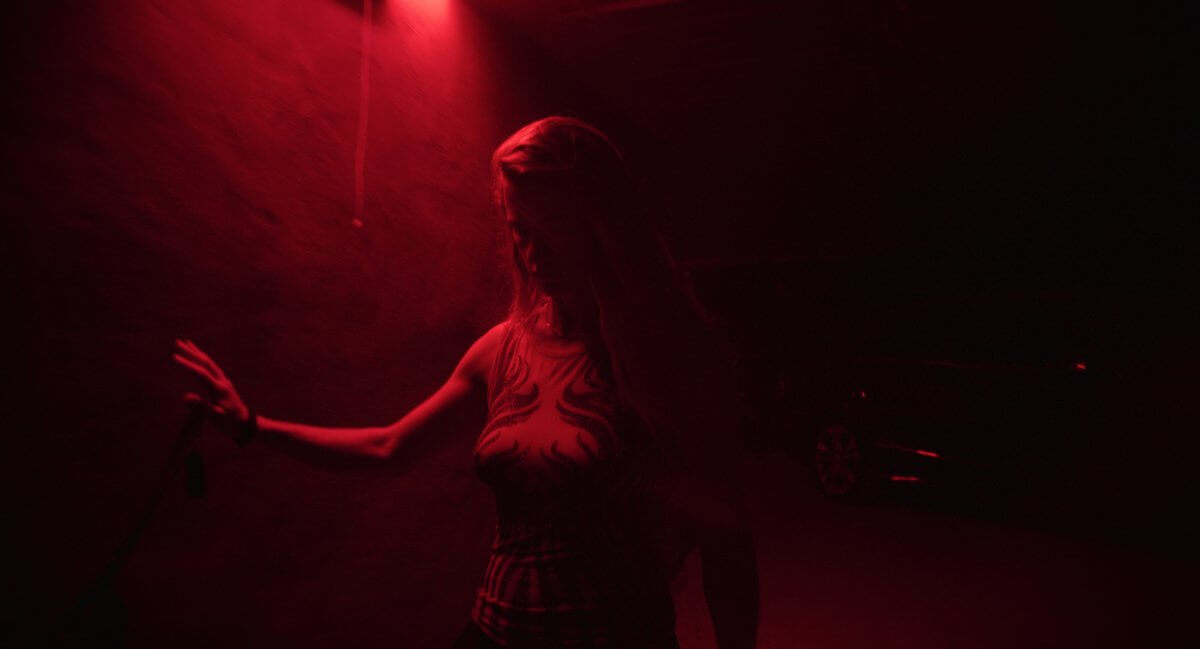
Film still from Mond
Mond (Moon) dir. Kurdwin Ayub
Austria – Narrative Feature
Former martial artist Sarah leaves Austria to train three sisters from a wealthy Jordanian family. What sounds initially like a dream job soon becomes unsetting: the young women are cut off from the outside world and under constant surveillance. Sport doesn’t seem to interest them. So why has Sarah been hired?
Concorso Cineasti del Presente
This section is the space for the filmmakers of the present and the cinema of tomorrow, existing beyond all distinctions of form and genre.
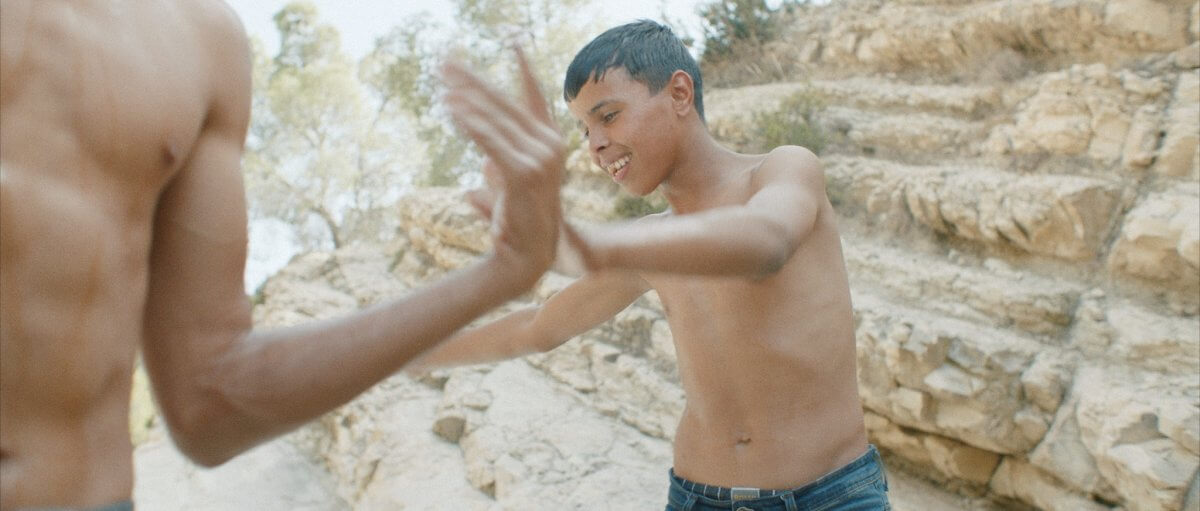
Film still from Red Path
Red Path dir. Lotfi Achour
Tunisia – Narrative Feature
When a group of jihadists attack two young shepherds, Achraf, 13 years old, is forced to bring a gruesome message to the villagers. Traumatized and trying not to lose his mind, Achraf needs to stand strong, confronted with the helplessness of his elders, themselves abandoned by the authorities.
Inspired by real events and deeply rooted in a ruthless social context, Red Path is a dreamlike journey into the wounded psyche of a child and his incredible ability to overcome trauma.
Pardi di Domani: Concorso Corti d’Autore
This section features short works by established filmmakers.
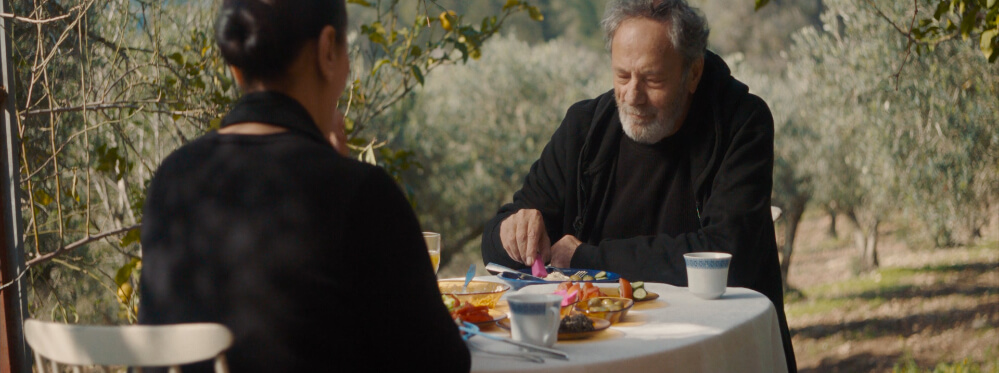
Film still from UPSHOT
UPSHOT dir. Maha Haj
Palestine, France, Italy – Narrative Short
Suleiman and Mona are a couple who lead a solitary life in which they care for animals and trees and have constant heated discussions about their children’s life choices. However, one day, their routine is disturbed when a stranger shows around, calling to mind a painful past.
Fuori Concorso
This is a non-competitive section which is known as a laboratory for the mixing of all conceivable genres and varied forms of storytelling.
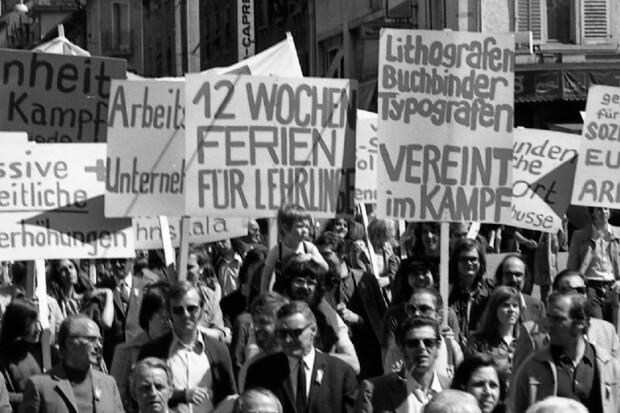
Film still from The Miraculous Transformation of the Working Class Into Foreigners
The Miraculous Transformation of the Working Class Into Foreigners dir. Samir
Switzerland, Italy – Documentary Feature
The film is based on a historical event which, according to the director, shaped and continues to shape the perception which Switzerland has of the many foreigners who call the country home: the so-called Schwarzenbach Initiative which, at the beginning of the Seventies, aimed to deport half of Switzerland’s foreign workers from Swiss soil. Although those eligible to vote (at that time exclusively composed of overwhelmingly white men) narrowly rejected the initiative, the hostility which they displayed in public towards so many foreign workers who had helped the Swiss economy prosper since the early Sixties was a real shock for many. Among those shocked was young Samir, a fifteen-year-old migrant who lived in Zurich suburb Dübendorf.
Panorama Suisse
This section showcases Swiss films that have enjoyed success at festivals, found an audience in cinemas, or are currently released in the country.
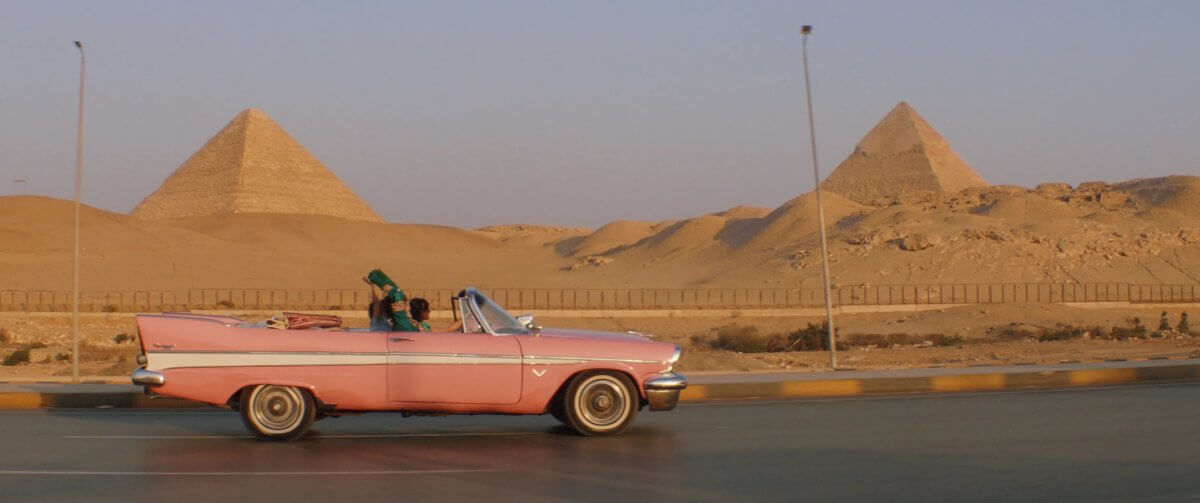
Film still from Back to Alexandria
Back to Alexandria dir. Tamer Ruggli
Switzerland, France – Narrative Feature
The complexities of the bonds between mothers and daughters are brought to life by celebrated French diva Fanny Ardant and internationally awarded Lebanese director Nadine Labaki, who gets to show her acting chops here. Labaki plays Sue, a forty-something psychotherapist who returns from Switzerland to her native Egypt to mend bridges with her eccentric, aristocratic and now dying mother Fairouz (Ardant). During her journey, she is haunted by memories and mixed feelings, arguing with Fairouz’s voice in her head as she seeks out the special places of her childhood and once again encounters the smells, sounds, colours and characters of her homeland.
If you are attending Locarno this year, make sure to support these Arab films and filmmakers by purchasing a ticket to the screenings. And if you’re not attending…keep an eye out for screenings of these films near you in the next year. Maybe some of them will even make it to this year’s Arab Film Festival. Make sure you sign up for our newsletter or follow us on social media to be the first to know when we announce our lineup!



Leave A Comment