
The Cannes Film Festival is just around the corner, starting next week, from May 13th to the 24th! As we do every year, we’re bringing you a round-up of the Arab films playing at the prestigious international festival.
Before we get into all the Arab films at Cannes, we have a very special announcement: we are going to Cannes. That’s right! The Arab Film and Media Institute will have a presence at the 78th Cannes Film Festival at the American Pavilion, spotlighting trailblazing female filmmakers in the “Women Leading Change Through Storytelling” Panel on May 18, 12:30 pm CET. Moderator Hannah Flint will speak with filmmakers Cherien Dabis, Nia DaCosta and Iman Zawahry about the barriers they have overcome, how they challenged industry norms, and what it takes to open doors for future generations of storytellers. If you are at the Cannes Film Festival this year, and would like to connect, get in touch.
Now, without further ado, let’s see what films from the Arab world are slated to premiere at the 2025 Cannes Film Festival.
All film descriptions and stills are from the Festival de Cannes official website.
Official Selection: In Competition
For the first time in a few years, there are two films from the Arab world premiering in competition, both by Arab filmmakers. Leïla Slimani, a Moroccan writer and journalist, is one of the jury members who will decide which film will walk away with the prestigious Palme d’Or.
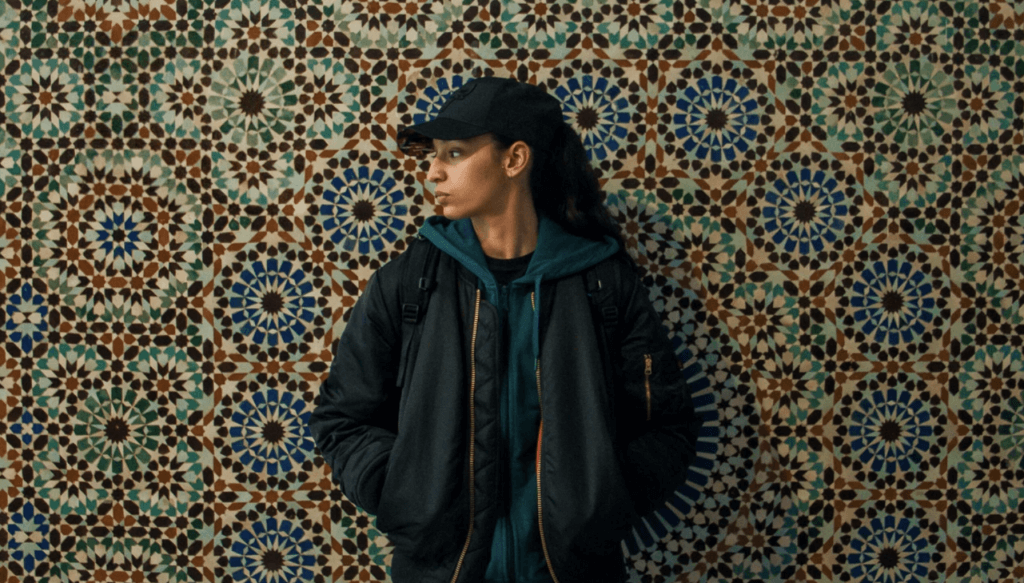
Film still for La Petite Dernière
The Little Sister (La Petite Dernière) by Hafsia Herzi
France, Germany – Narrative Feature
Fatima, 17, the youngest of three daughters, treads carefully as she searches for her own path, grappling with emerging desires, her attraction to women, and her loyalty to her caring French-Algerian family. Starting university in Paris, she dates, makes friends, and explores a whole new world, all while confronting a timeless and heartrending dilemma: How can one stay true to oneself when reconciling different parts of one’s identity feels impossible?
Hafsia Herzi is of Tunisian and Algerian descent. A prominent actress in France, this is her third film to play at Cannes, and the first to play in the main competition.

Film still for Eagles of the Republic
Eagles of the Republic by Tarik Saleh
Sweden, France, Denmark, Finland – Narrative Feature
George Fahmy, one of Egypt’s most renowned actors, faces pressure to star in a film commissioned by the government. He eventually accepts, and becomes involved in an affair with the wife of the general overseeing the film.
Eagles of the Republic is the third and final installment in Tarik Saleh’s Cairo trilogy, preceded by 2017’s The Nile Hilton Incident and 2022’s Boy From Heaven (also known as Cairo Conspiracy). For the latter, Saleh won the award for Best Screenplay at the 2022 Cannes Film Festival.
Official Selection: Un Certain Regard
The Un Certain Regard category which rewards young talent and encourages innovative and daring works, and again, for the first time in a few years, three films from the Arab world have been chosen for this category.
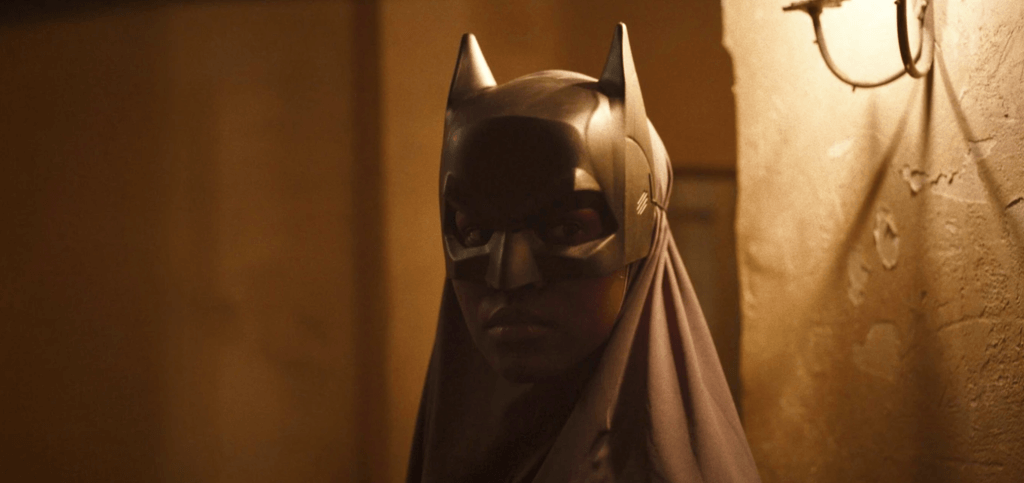
Film still for Aisha Can’t Fly Away
Aisha Can’t Fly Away (عائشة لم تعد قادرة على الطيران) by Morad Mostafa
Egypt, Sudan, Tunisia, Saudi Arabia, Qatar – Narrative Feature
Aisha, a twenty-six years old Muslim African migrant living in Egypt; she works as a caregiver for elderly patients; she lives in Ain-shams, a neighborhood in
the heart of Cairo where she witnesses the underworld of the growing African migrants’ community who settled in this neighborhood and there’s tension
between the different African and Egyptian groups over the control of the neighborhood and it is totally left to its own devices and abandoned by the
authorities.
This is Morad Mostafa’s debut feature, meaning that he is eligible for the Caméra d’Or award.
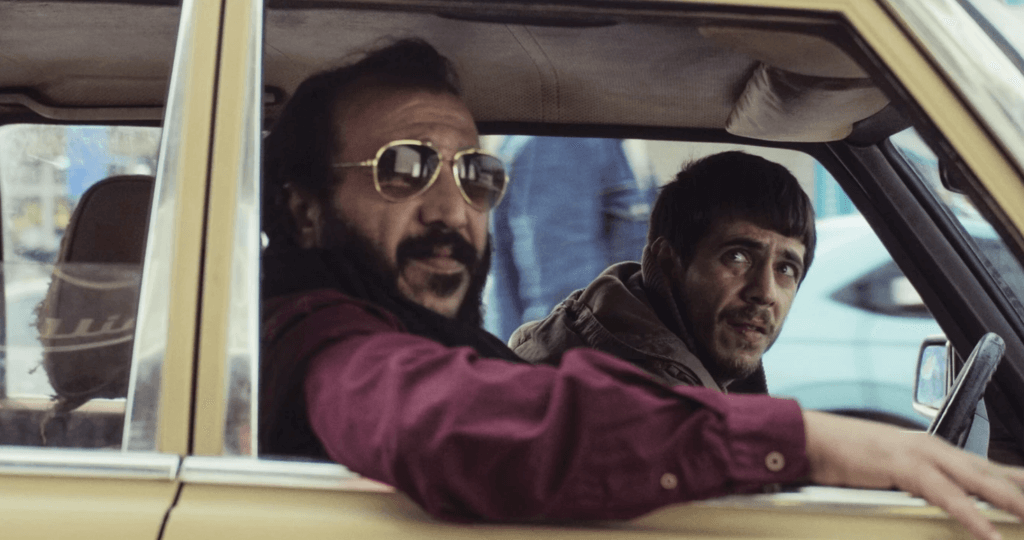
Film still from Once Upon a Time in Gaza
Once Upon a Time in Gaza by Tarzan and Arab Nasser
Palestine, France, Portugal – Narrative Feature
Gaza, 2007. Yahya, a young student, forges a friendship with Osama, a charismatic restaurant owner with a big heart. Together, they start peddling drugs while delivering falafel sandwiches, but they are soon forced to grapple with a corrupt cop and his oversized ego …
Tarzan and Arab Nasser, two brothers who hail from Gaza, previously directed 2020’s Gaza Mon Amour. Their debut feature, Degrade, played at Cannes in 2015.
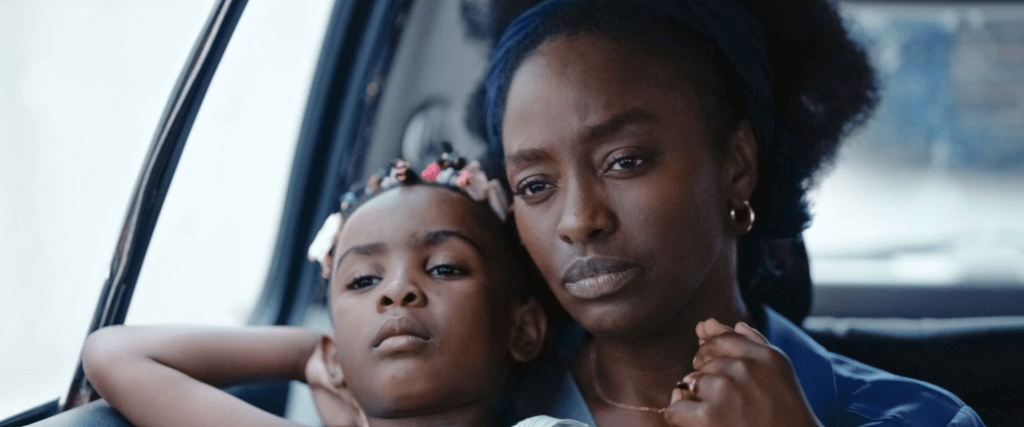
Film still for Promis le ciel
Promised Sky (Promis le ciel) by Erige Sehiri
Tunisia, France, Netherlands, Qatar – Narrative Feature
Marie, an Ivorian pastor and former journalist, has lived in Tunisia for ten years. Her home becomes a refuge for Naney, a young mother seeking a better future, and Jolie, a strong-willed student carrying her family’s hopes. The arrival of a little orphan girl challenges their sense of solidarity in a tense social climate, revealing both their fragility and strength.
Erige Sehiri previously directed the 2021 Tunisian coming-of-age drama, Under the Fig Trees.
Official Selection: Short Films
The Short Film Palme d’Or is the highest prize given to a short film at Cannes. This year there are a total of eleven shorts, with one film from Palestine.
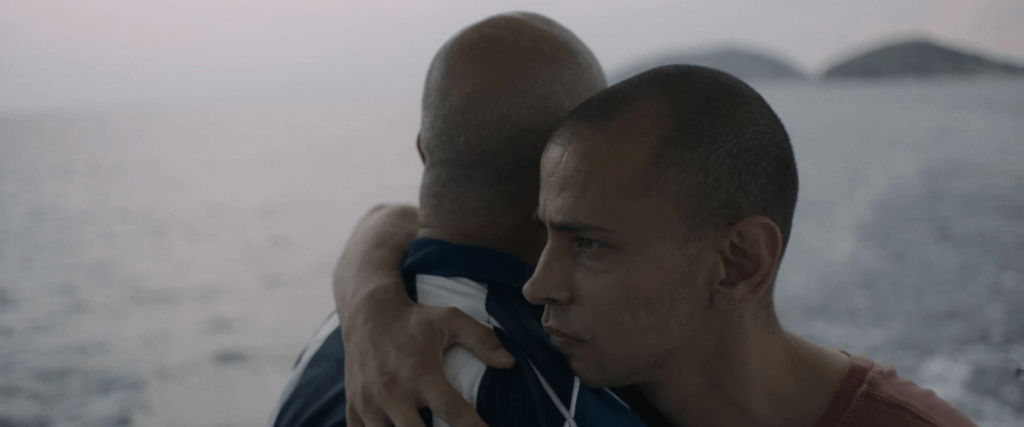
Film still for I’m Glad You’re Dead Now
I’m Glad You’re Dead Now by Tawfeek Barhom
Palestine – Narrative Short
Two brothers return to the island of their childhood, where buried secrets and heavy tensions force them to confront a dark past that connects them.
Official Selection: La Cinef
The Cinéfondation, or La Cinef, is a category that awards feature films made by students at films schools. The top three winners receive cash prizes; one of the students, from CinéFabrique in France, is of Arab descent:

Film still for Bimo
Bimo by Oumnia Hanader
France – Narrative Feature
Sihem tries as best she can to paddle her own canoe in France, when her mother calls to announce that her brother is making a crossing to join her.
Official Selection: Cannes Classics
Unique to the rest of the categories, the Cannes Classics premieres 4k restorations of classic films, largely from the 20th century. Two classic films from the Arab world have received new restorations and will be playing at the festival.
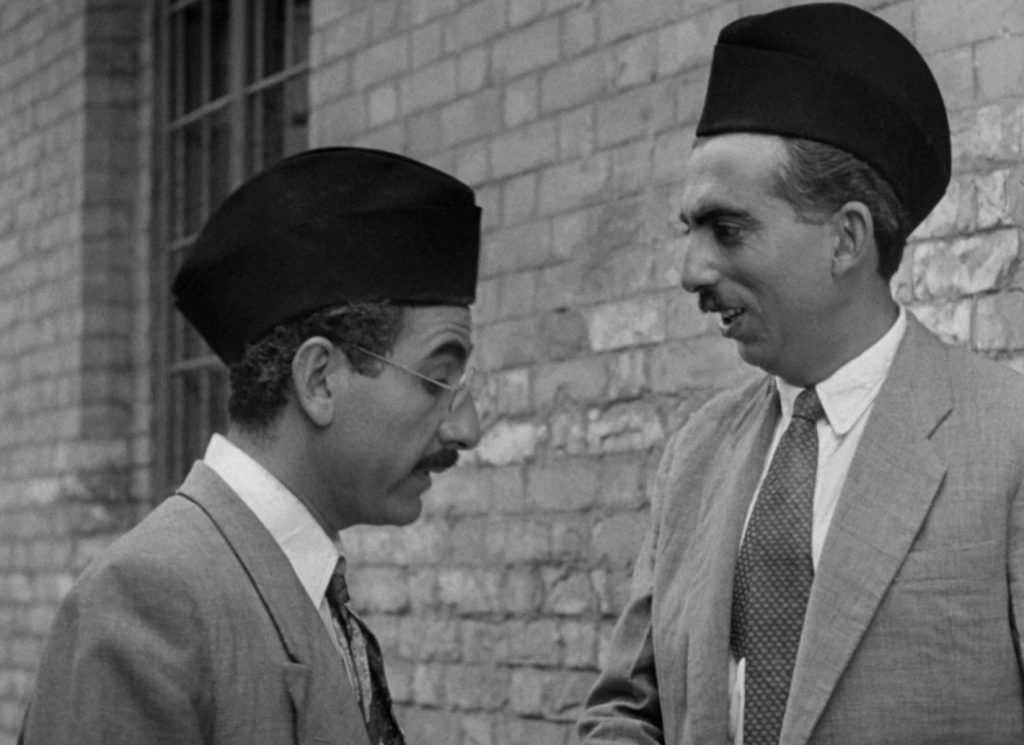
Film still for Saeed Effendi
Saeed Effendi (1956) by Kameran Hosni
Iraq – Narrative Feature
In the 1950s, Said Effendi, a schoolteacher, moves with his family to a new home in a modest neighborhood of Baghdad after being forced to vacate his previous house by order of the landlord. In his new residence, Said Effendi faces social challenges with his neighbor, Abdullah the cobbler, as conflicts arise between their children, leading to escalating tensions between the two families. As the problems intensify, Saeed finds himself facing a difficult challenge: achieving a balance between raising his children and maintaining a good relationship with his neighbors, without resorting to violence.
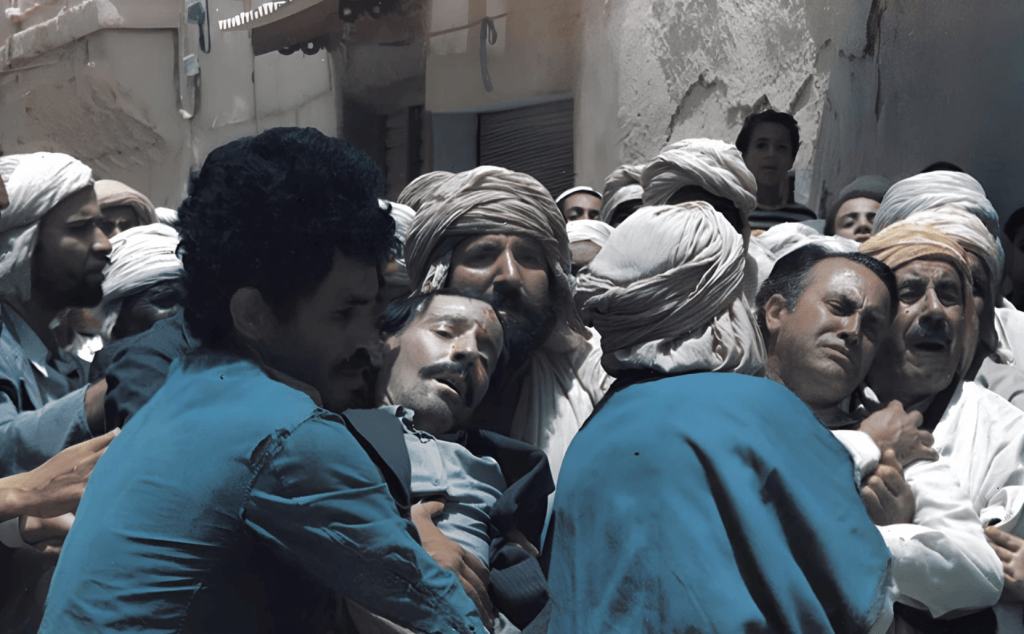
Film still for Chronicles of the Years of Fire
Chronicles of the Years of Fire (1975) by Mohamed Lakhdar-Hamina
Algeria – Narrative Feature
A meticulous chronicle of the evolution of the Algerian national movement from 1939 until the outbreak of the revolution on November 1st, 1954, the film unequivocally demonstrates that the “Algerian War” is not an accident of history, but a slow process of revolts and suffering, uninterrupted, from the start of colonization in 1830, until this “Red All Saints’ Day” of November 1st, 54. Composed of six chapters, the film paints the merciless picture of political and warlike history of colonial Algeria.
Independent Sections: Critics’ Week
A parallel section at Cannes, Critic’s Week aims to discover new talents, showcasing first and second feature films. Moroccan film critic and journalist Jihane Bougrine is a jury member.
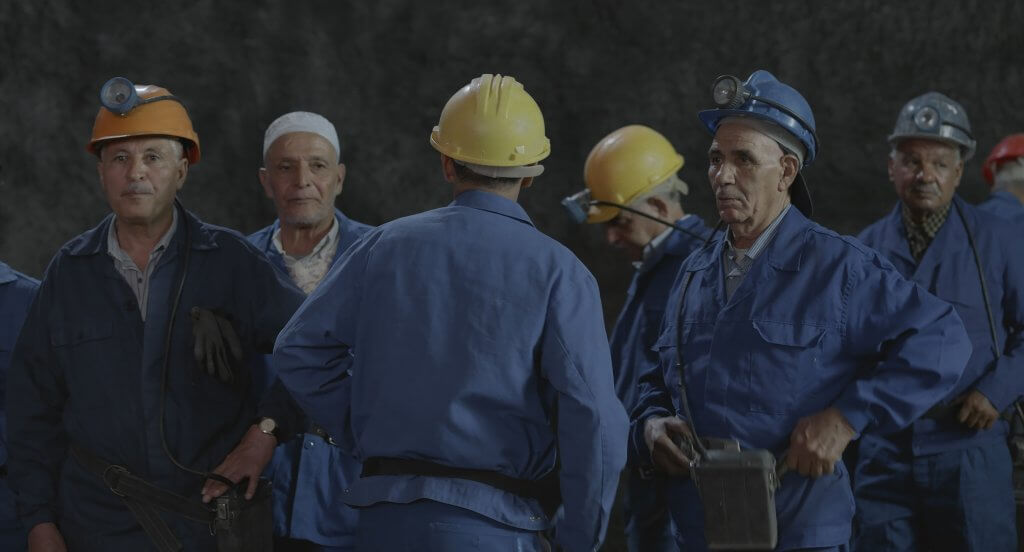
Film still for L’mina
The Mine (L’mina) by Randa Maroufi
Morocco, France, Italy, Qatar – Narrative Short
Jerada is a mining town in Morocco, where coal extraction – officially halted in 2001 – has continued informally to this day. L’mina reconstructs current activity in the pits through a set designed in collaboration with the local residents, who perform their own roles on screen.
Independent Sections: Director’s Fortnight
Director’s Fortnight is an independent section playing parallel to the Official Selection at Cannes, showing a variety of features, documentaries and shorts.
All film descriptions and stills are taken from the Quinzaine Cineastes official website.
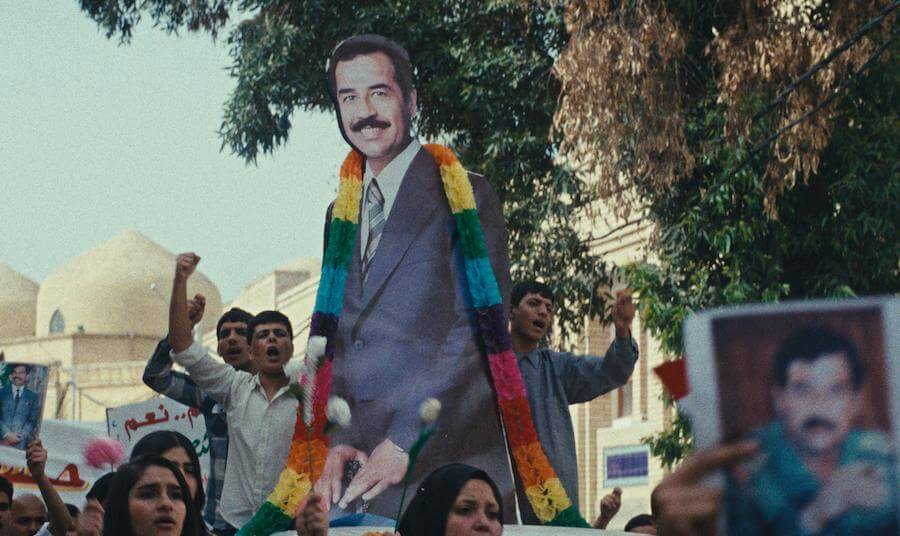
Film still from The President’s Cake
The President’s Cake (مملكة القصب) by Hasan Hadi
Iraq, Qatar, United States – Narrative Feature
While people struggle daily to survive under sanctions in Saddam’s Iraq, nine-year-old Lamia must use her wits to gather ingredients for the mandatory cake to celebrate President Saddam Hussein’s birthday or face the consequences—prison or death.
Independent Sections: ACID
The Association for the Diffusion of Independent Cinema (ACID) is a section at Cannes that promotes the theatrical distribution of independent cinema, focusing on first features and films without French distributors. There are two documentaries from the Arab world slated to premiere.
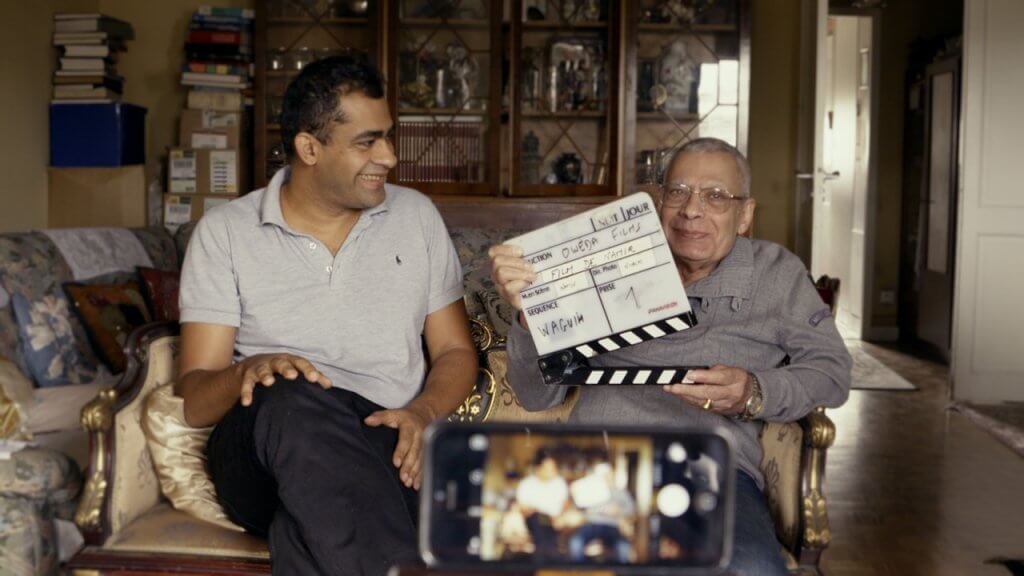
Life After Siham (La Vie Après Siham) by Namir Abdel Messeeh
France, Egypt – Documentary Feature
When Siham passed away, Namir didn’t realize that she was gone forever. In a child’s mind, mothers are immortal… To keep her memory alive, Namir delves into his family history across Egypt and France. With the cinema of Youssef Chahine as his companion, a story of exile — and above all, of love — begins to unfold.
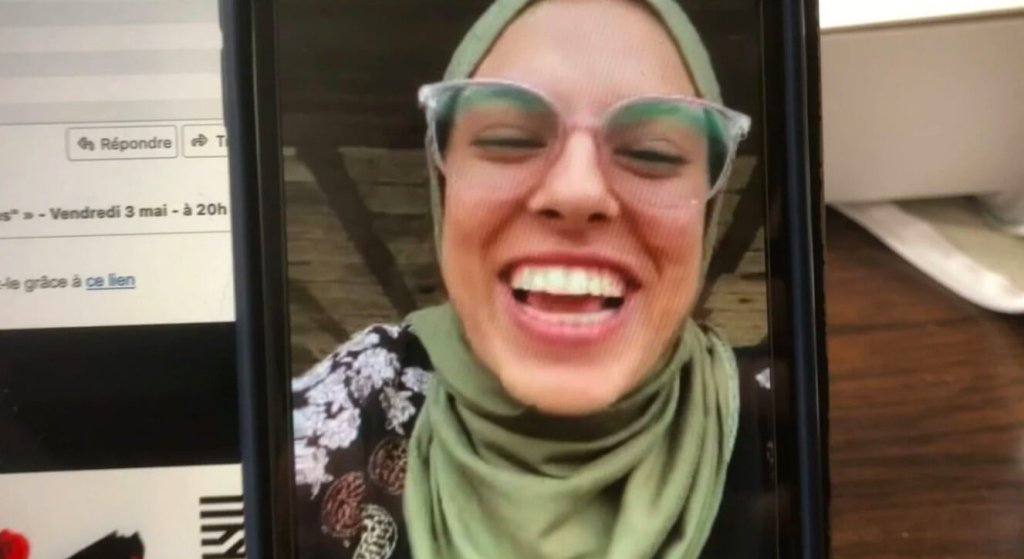
Put Your Soul on Your Hand and Walk by Sepideh Farsi
France, Palestine, Iran – Documentary Feature
This documentary depicts life in Gaza in the aftermath of October 7, captured through Farsi’s video calls with a young woman living there. The day after its Cannes premiere was announced, the woman at the film’s center, photojournalist Fatma Hassona, was killed in an Israeli airstrike, alongside nine members of her family. The screening of the film on May 15 will act as a tribute to honor her memory.


![Queer Arab Films to Watch During Pride Month [Updated for 2026]](https://arabfilminstitute.org/wp-content/uploads/2021/06/Photo-2-full_BEIRUTDREAMSINCOLOR_JAMAL_SAIDI_1_1920X1080.jpg)

Leave A Comment