
The countdown is on! We are less than four weeks away from the opening of the Arab Film Festival (Nov. 5th) and we can’t wait to share the program with you.
While we wait for the our Programming Team to give us the go ahead with the announcement, how about catching you up with the full Festival Jury? It’s an extraordinary group of talent and we are so grateful for their commitment to making and supporting the arts.
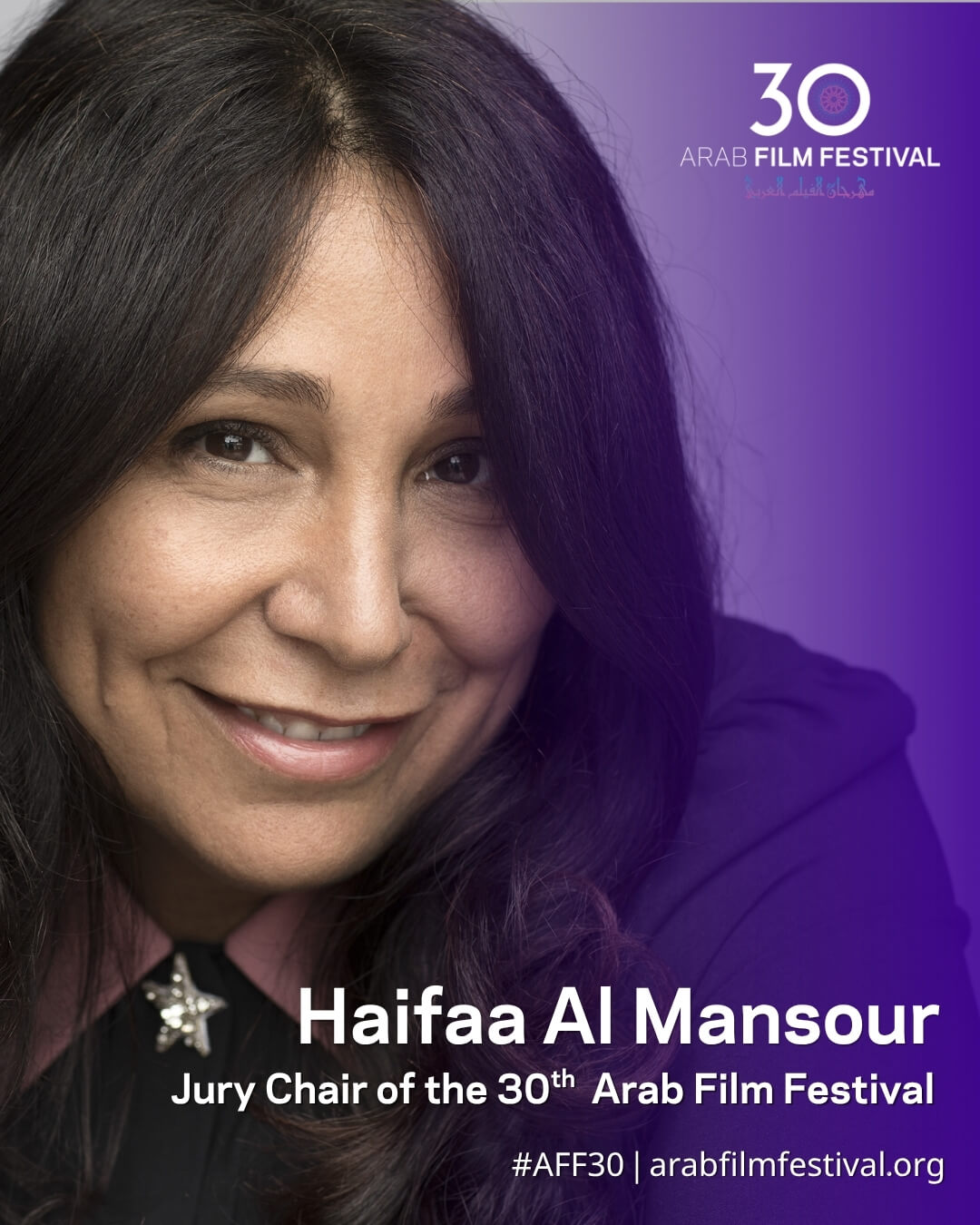
Haifaa Al Mansour – Jury Chair
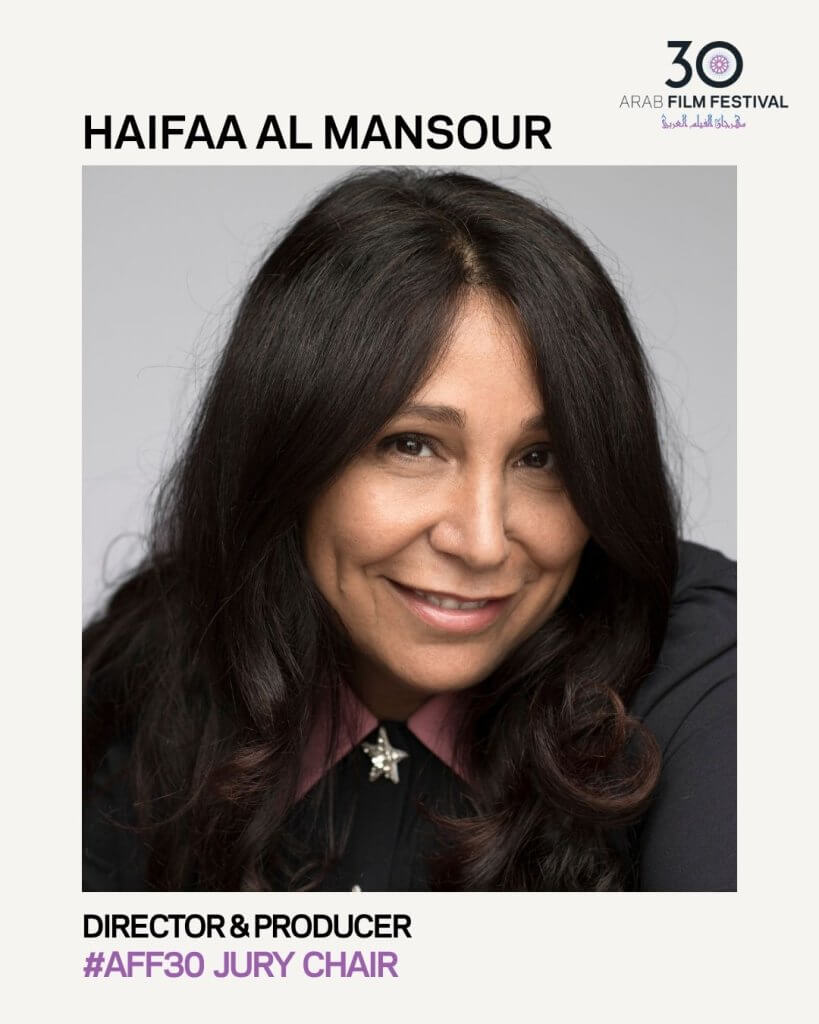
This year’s Festival Jury is chaired by Haifaa Al Mansour. We already wrote about her ground breaking career and work. You can read it here.
AFMI: In your view, why is it important to showcase Arab cinema on a global stage?
Haifaa Al Mansour: Arab cinema is incredibly diverse, and it is important for international audiences to see the full range of our experiences. Too often, the Arab world is presented through a very narrow lens, usually defined by politics, conflict, or stereotypes. Cinema allows us to complicate that image and show the humor, ambition, contradictions, joy and everyday humanity of our communities. I have always believed that the more specific and authentic a story is, the more universal it can become. Giving Arab filmmakers a global platform allows us to tell our own stories in our own voices, while also reminding audiences that our experiences are part of a much larger human story.
Bao Nguyen
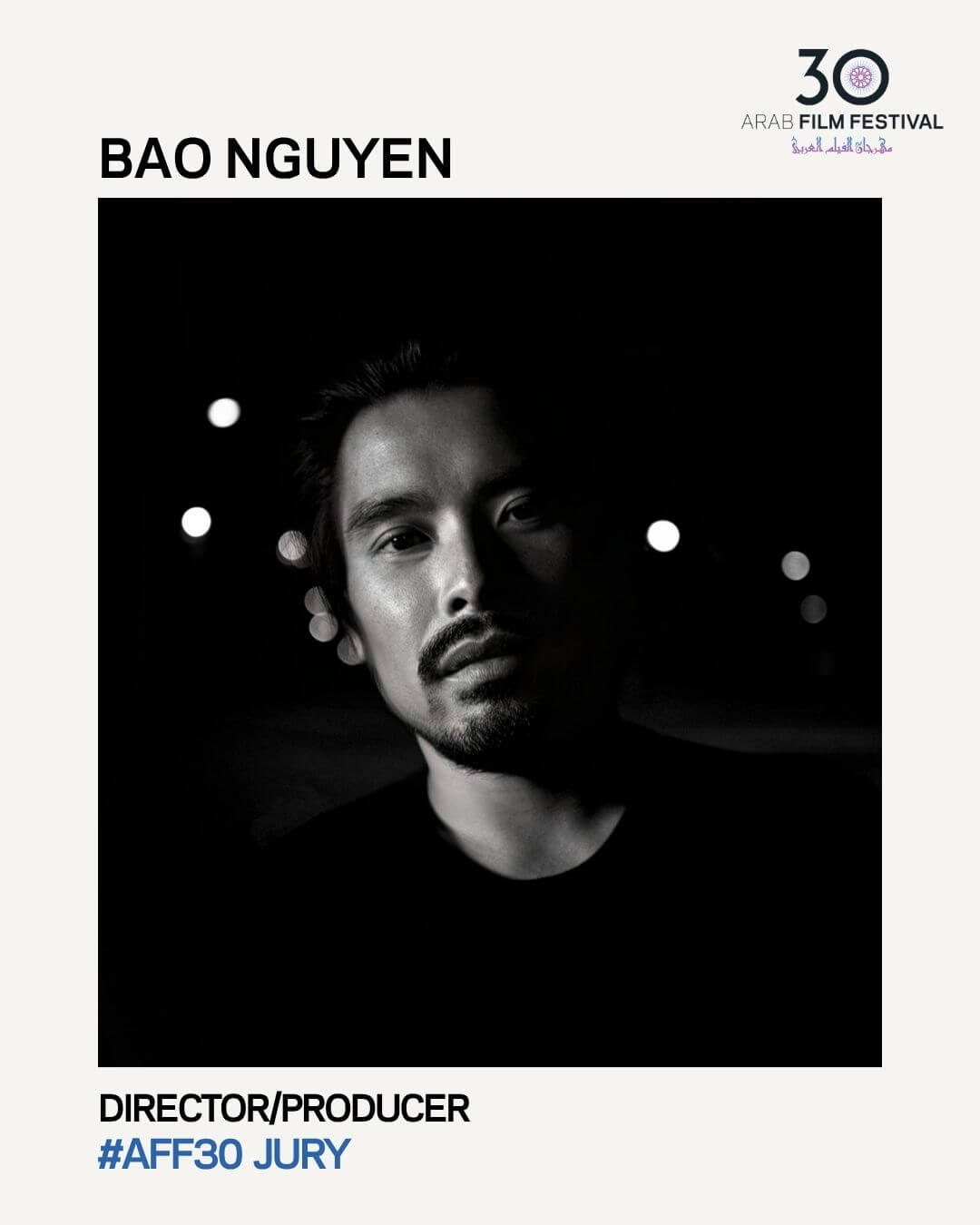 Bao Nguyen is an award-winning director and producer whose films include THE GREATEST NIGHT IN POP (2024), which premiered at Sundance, debuted as the #1 film globally on Netflix, won PGA and Critics Choice Awards, and earned a Grammy nomination; BE WATER (2020), his documentary about Bruce Lee that became the most-watched ESPN 30 for 30 on the platform; and THE STRINGER (2025) on Netflix was the winner of the Edward R. Murrow Award for Feature Documentary and nominated for four News & Documentary Emmy Awards.
His debut feature documentary, LIVE FROM NEW YORK! (2015), opened the Tribeca Film Festival, and his latest film, BTS: THE RETURN (2026), was released globally by Netflix. He was selected as a 2021 BAFTA Breakthrough and Gold House A100 honoree in 2022.
AFMI: What excites you most about being part of our jury?
Bao Nguyen: What excites me most about being part of this jury is the opportunity to experience the world through different perspectives and to discover exciting filmmakers, voices, and stories from across the Arab world. That sense of discovery, and the chance to be surprised and challenged by a film, is one of the things I love most about cinema.
AFMI: In your view, why is it important to showcase Arab cinema on a global stage?
Bao Nguyen: I think cinema can build bridges in a way no other art form can. At a time when so many forces are trying to divide and silence us, it’s more important than ever that Arab stories and perspectives are seen and heard, and that audiences around the world have the chance to experience them.
Basil Khalil
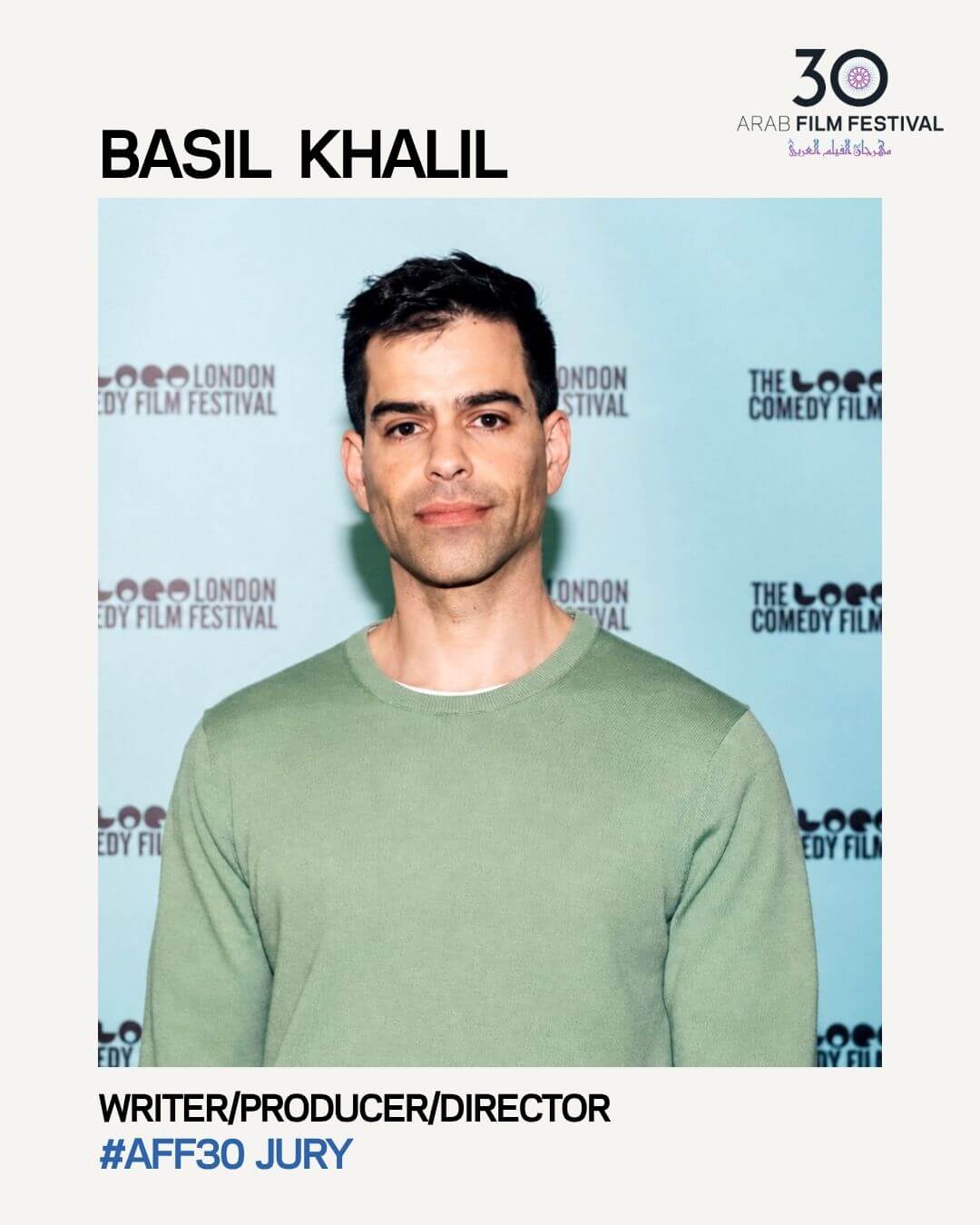 Academy Award & Palme d’Or nominated writer, producer and director of Palestinian-British-Irish heritage, Basil Khalil is known for the short film AVE MARIA (2015 Cannes/Oscars), and the feature comedy A GAZA WEEKEND (2022 TIFF – FIPRESCI award).
Basil also produced the short film NOUR SHAMS (2021 Palm Springs) and the upcoming feature NEIGHBORS OF GOD, both by Faiza Ambah.
AFMI: What excites you most about being part of our jury?
Basil Khalil: As someone who has admired the festival from afar for years, I’m thrilled by the chance to engage deeply with new Arab films. When I was starting out, this festival was one of the few dedicated spaces championing Arab cinema that is artistically bold, culturally specific and emotionally universal. It feels like a real privilege to help continue that mission.
AFMI: In your view, why is it important to showcase Arab cinema on a global stage?
Basil Khalil: Showcasing Arab cinema globally is not just about representation, it is about expanding the cinematic language through which Arab lives are seen and understood. It gives our brilliant and varied storytellers the chance to reach audiences who might otherwise never encounter these films, and to build a lasting connection with them.
Conrad Montgomery
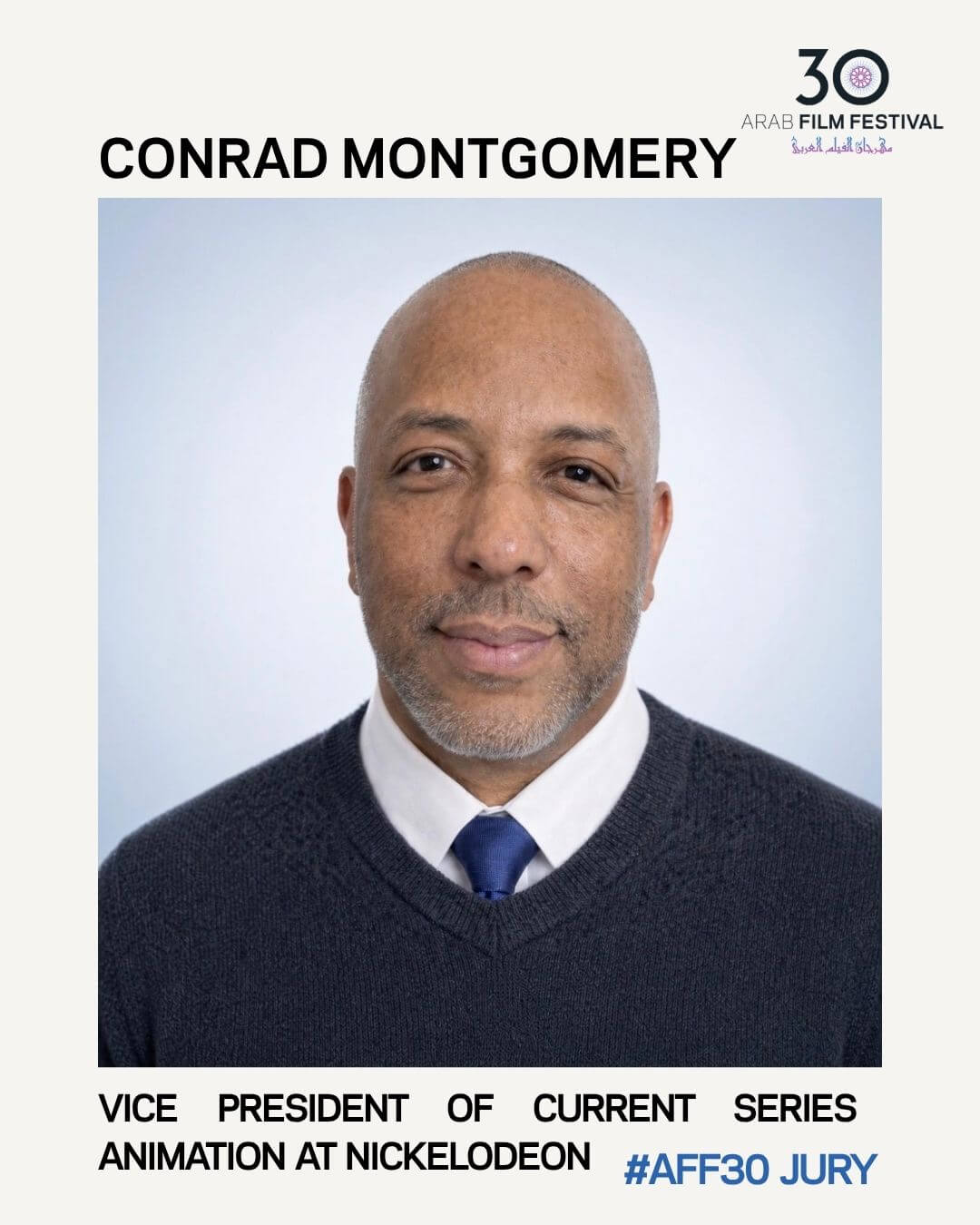 Conrad Montgomery is a senior-level executive, media and entertainment consultant, and content creator. He was Vice President, Current Animation at Nickelodeon in 2022. In this role, Montgomery served as the Executive in charge of Current Series in production, including Transformers: EarthSpark and Zokie Planet Ruby.
Prior to joining Nickelodeon, Montgomery was Senior Director, Comedy Animation, for Cartoon Network. In this role, Montgomery was responsible for supervising a comedy slate of series including the pop culture phenomenon Adventure Time, developing the follow-up limited longform series Adventure Time: Distant Lands for streamer HBO Max, the Emmy Award-winning Regular Show, the Emmy-nominated Steven Universe, Steven Universe: The Movie, Steven Universe: Future, and breakout hit Craig of the Creek, all of which are produced at Cartoon Network Studios in Burbank, CA. Montgomery also oversaw, O.K. K.O. in addition to several series for Warner Bros. Animation.
Prior to joining Cartoon Network, Montgomery was a development and production executive at Disney Television Animation where he worked on Fish Hooks, Kick Buttowski: Suburban Daredevil and Motor City. Earlier in his career, he was a creative executive at Lions Gate Films where he worked on such films as Confidence and Monster’s Ball. Before joining Lions Gate, Montgomery was an Associate Segment Producer at ABC’s Good Morning America. Montgomery graduated from California State University, Northridge with a Bachelor of Arts degree in Cinema and Television Arts.
David Oyelowo
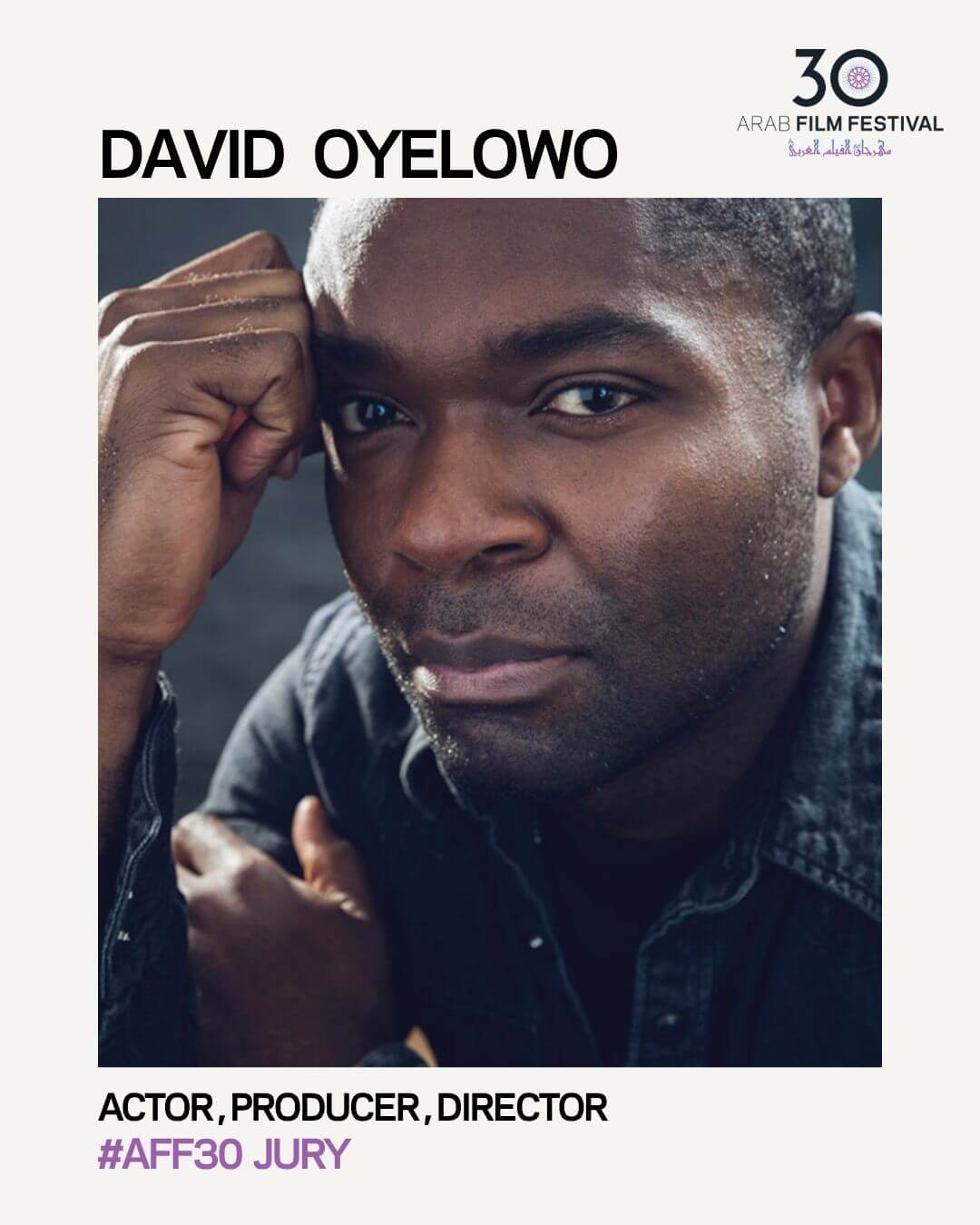 David Oyelowo is a multiple Golden Globe, BAFTA, and Emmy-nominated actor and producer. Oyelowo made his directorial debut with the critically-acclaimed film, THE WATER MAN, which he produced under his Yoruba Saxon production banner. Current and upcoming film and television projects include BASS REEVES (Netflix), SILO (Apple TV+), and GOVERNMENT CHEESE (Apple TV+).
Additionally, Oyelowo co-founded MANSA, the free streaming platform for curated global Black cultural content. In 2015, in association with The GEANCO Foundation, Oyelowo established a Leadership Scholarship to fully fund the education and rehabilitation of girls who have been directly affected by terrorism in Nigeria.
AFMI: In your view, why is it important to showcase Arab cinema on a global stage?
David Oyelowo: I think it’s important because there are so many extraordinary stories being told by Arab filmmakers that deserve to be seen and experienced by audiences around the world. The beauty of cinema is that it can take something very specific to a culture or a community and allow someone on the other side of the world to find themselves in it. I think Arab cinema has so much to contribute to the global cinematic conversation, and platforms like this give those filmmakers the opportunity to be discovered and celebrated for the incredible work they’re doing.
Jehane Noujaim
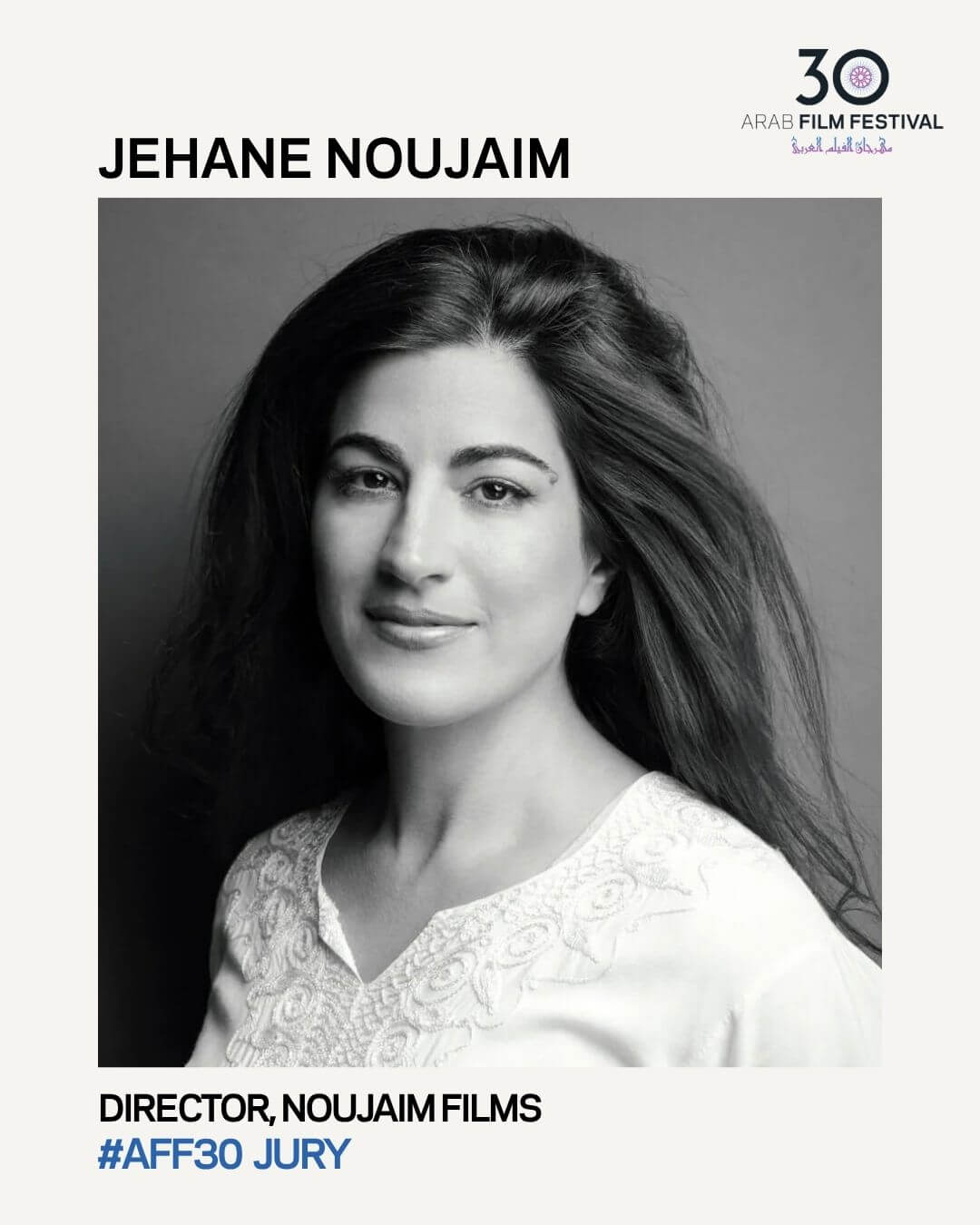
Jehane Noujaim is an Academy Award-nominated filmmaker renowned for her impactful storytelling and incisive documentaries. As the producer and director of HBO’s acclaimed series The Vow (2020 and 2022), she delves into the complex world of the self-improvement group NXIVM.
Noujaim also co-directed The Great Hack (2019), which premiered at the Sundance Film Festival and made both the Academy Award and Grierson shortlists. The film garnered BAFTA and Emmy nominations and won a Cinema Eye Honors Award.
Her distinguished body of work includes Rafea: Solar Mama (2013), Control Room (2004), and Startup.com (2001), as well as the Emmy-winning and Oscar-nominated The Square (2013), making history as the first Arab woman to receive an Oscar nomination. In 2006, she became the first woman and youngest person to win a TED Prize, recognized for her innovative contributions to filmmaking and social impact.
Currently, Noujaim is directing a captivating docuseries on Burning Man, providing a behind-the-scenes look at this iconic and often controversial social experiment in American culture. Additionally, she is undertaking a powerful project on the Israel-Palestine conflict, collaborating closely with journalists in Gaza to illuminate the ongoing humanitarian crisis and the realities faced by its people.
Through her work, Noujaim continues to inspire audiences and foster dialogue around critical global issues.
AFMI: In your view, why is it important to showcase Arab cinema on a global stage?
Jehane Noujaim: The Arab world is at the center of so much of the world’s news, and yet its history, its people, and its complexities remain profoundly misunderstood. I believe in the power of cinema to change that—to transport us into lives we might never otherwise encounter, to make us fall in love with complex characters, and ultimately to humanize a world that has too often been reduced to headlines, stereotypes, and “the other.
Mounia Akl
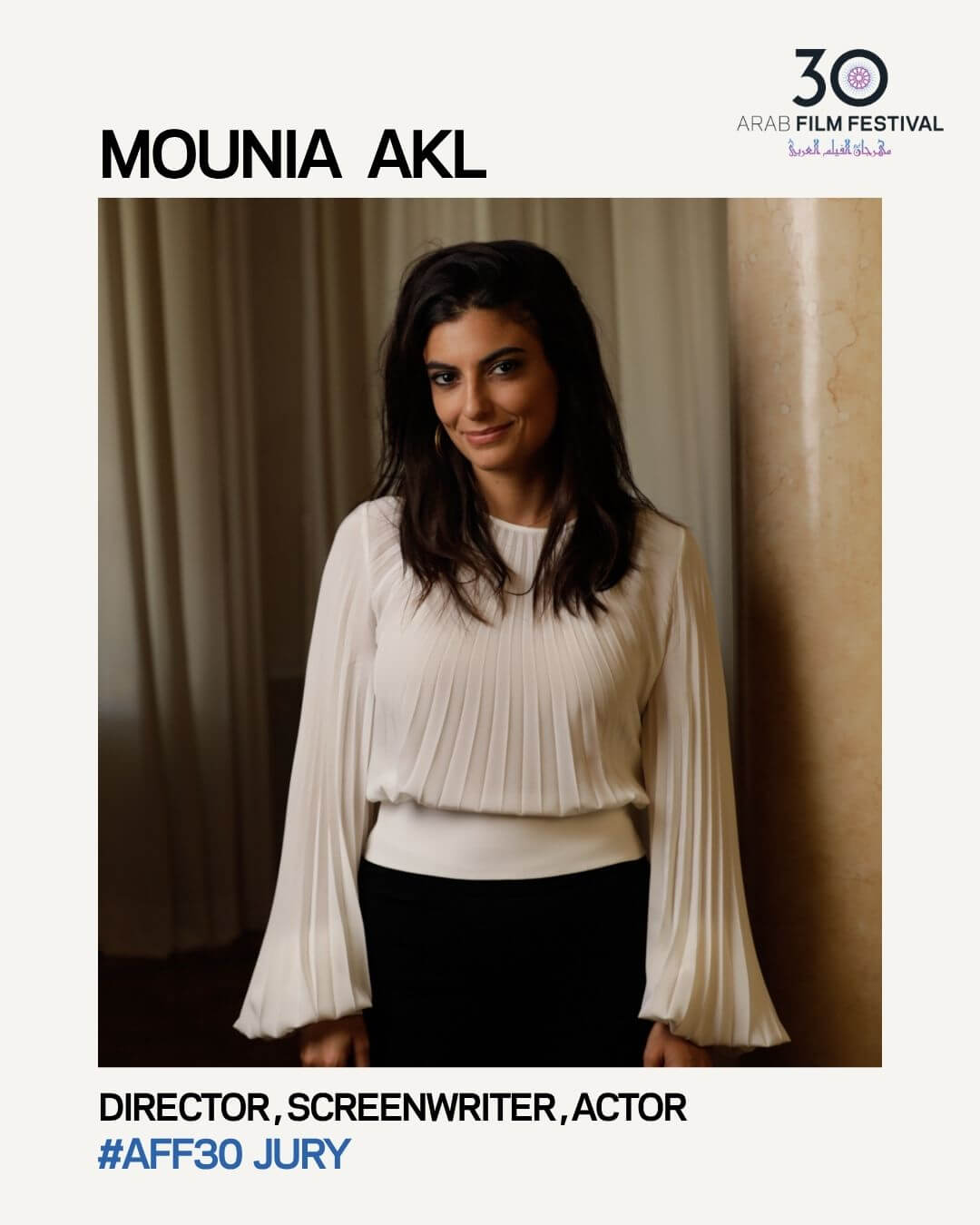
Mounia Akl is a Lebanese director, writer, and actress and a member of the Academy of Motion Picture Arts and Sciences. She studied architecture at ALBA before completing an MFA at Columbia University. Her debut feature, Costa Brava, Lebanon, inspired by her short Submarine (69th Cannes Film Festival), premiered at the 78th Venice Film Festival and screened at TIFF and the BFI London Film Festival. She developed the project through the Sundance Labs and the Cannes Cinéfondation Residency.
In television, she has directed episodes of BBC’s The Responder, Boiling Point, Netflix’s House of Guinness, and A24’s It Gets Worse. She is currently developing two feature films to be shot in Lebanon and London.
AFMI: What excites you most about being part of our jury?
Mounia Akl: What excites me most about being part of the jury is the chance to engage deeply with work that feels close to home.
AFMI: In your view, why is it important to showcase Arab cinema on a global stage?
Mounia Akl: Showcasing Arab cinema on a global stage is important now more than ever because it restores depth to places too often reduced to headlines, without needing to explain or translate them.
Nabila Abuljadayel
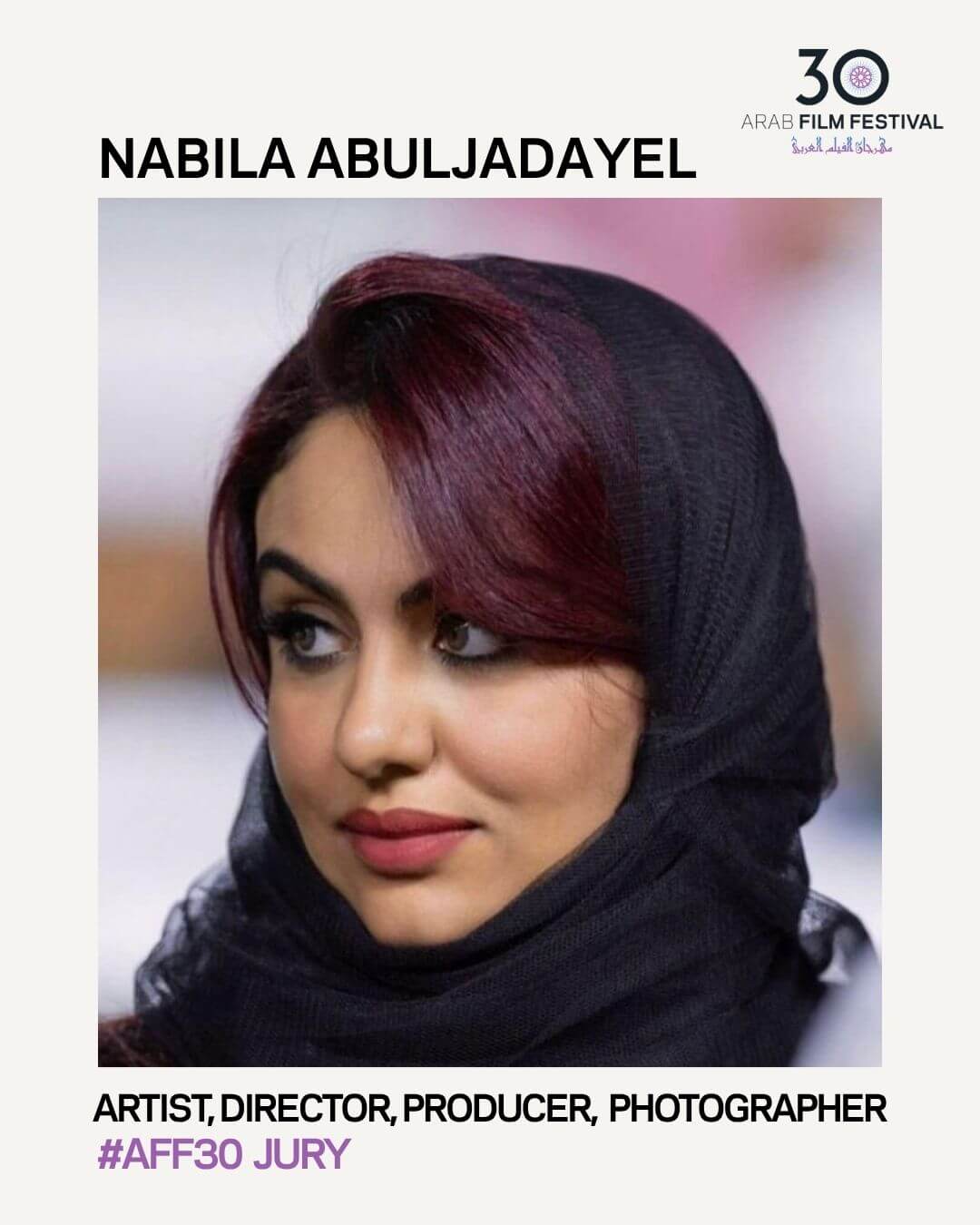
Nabila Abuljadayel is a Saudi artist, director, producer, and photographer whose creative work explores cultural identity through art and animation. Her 2024 animated short film, Prostrate and Draw Near, was recognized by the Academy of Motion Picture Arts and Sciences, inducted into the Academy Film Archive, and became the first Saudi animated short film to be longlisted for Oscar qualification. Alongside her mother, Suraya AlShehry, Abuljadayel co-founded Suraya Productions, a production company specializing in animation.
Their recent short film, Prostrate and Draw Near, directed, produced, and written by the mother-daughter duo, has received numerous awards, making it the most awarded Saudi animated short film with 31 international film festival awards, including the “Animation That Matters” Award presented as part of Animation Day in Cannes at the Marché du Film during the 77th Cannes Film Festival in 2024. The film also became the first Saudi animated film to screen at the Venice Production Bridge during the 81st Venice International Film Festival in 2024.
Nabila’s art is rooted in documenting and preserving Saudi Arabia’s history, heritage, and cultural identity.
Her portfolio comprises more than 600 artworks, including distinctive silk portraits of members of royal families, which have been exhibited internationally and presented to royals and distinguished leaders. She also created Saudi Arabia’s first 3D animated film, Spirit of the Founding (2024), documenting the Kingdom’s history, bringing Saudi heritage and historical narratives to life through contemporary visual storytelling.
Nabila holds a Bachelor of Fine Arts in Digital Art, with minors in Photography and Cinema Studies, from Northeastern University, where she was later selected to be an alumni ambassador on the Young Alumni Advisory Board. She also studied Visual Arts at Harvard University.
Her photography includes an award-winning Hajj series by The International Photography Awards, featured in a documentary broadcast by British ITV and screened in the UK Parliament. Nabila also serves as a Goodwill Ambassador for the King Salman Humanitarian Aid and Relief Center (KSRelief), advocating for refugees and displaced communities. As an art mentor, she has held creative workshops for refugees and collaborated with KSRelief and UNHCR on humanitarian initiatives, using art as a means of expression, connection, and empowerment.
AFMI: In your view, why is it important to showcase Arab cinema on a global stage?
Nabila Abuljadayel: Arab cinema deserves to be seen on a global stage because the stories that come from the Arab world should be told by the people who live them. Telling our stories means sharing them through our own voices, experiences, and culture. If we don’t tell our stories, someone else will fill that gap and tell them from their own perspective, shaped by their own agendas, assumptions, and cultural background. Our culture deserves to be represented by us, as no one can speak our truth better than we can. Most importantly, showcasing Arab cinema internationally reminds young Arab filmmakers that their stories matter, their voices deserve to be heard, and there is a place for them on the global stage.
Rémi Grellety
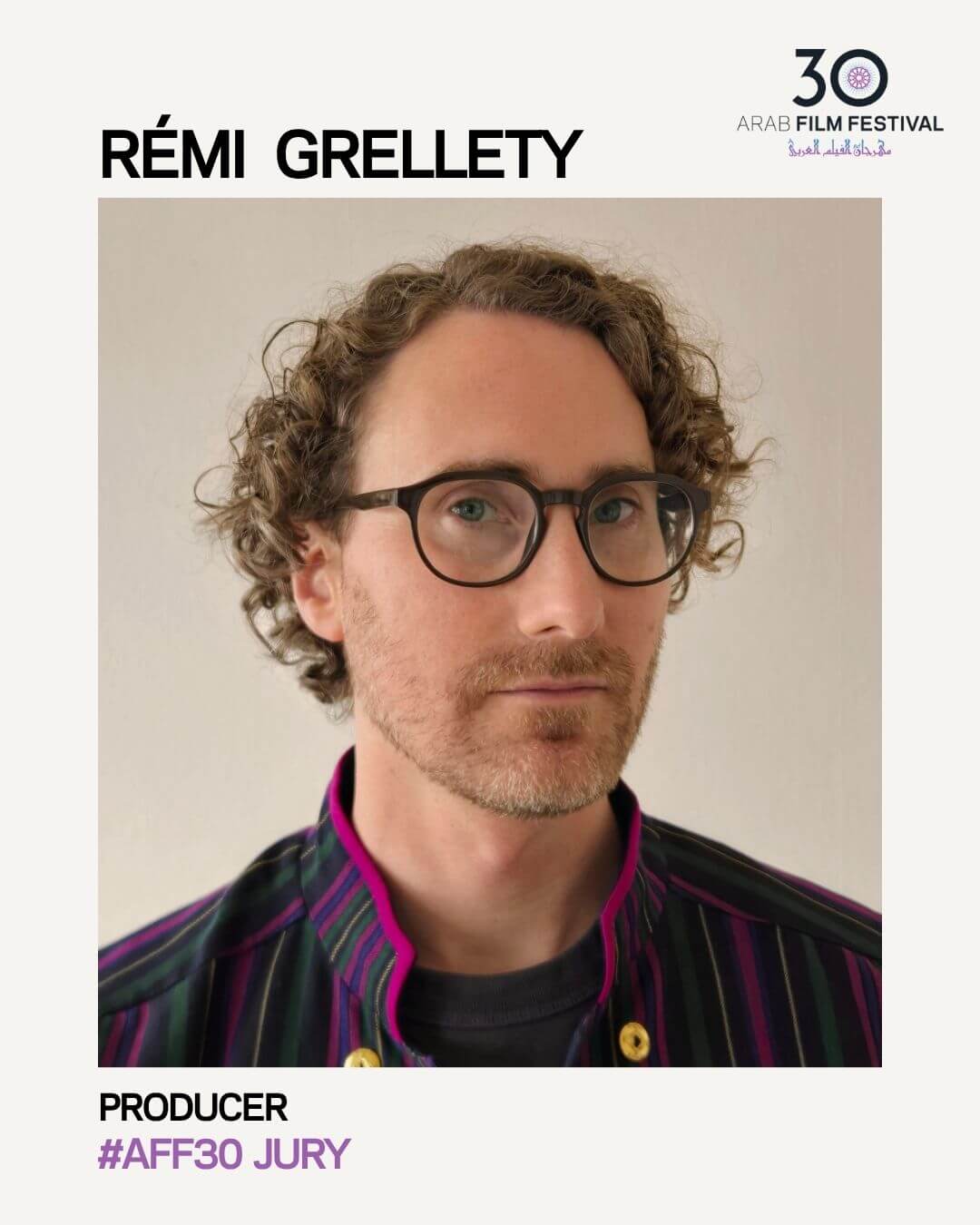
Rémi Grellety is a two-time Oscar nominee film producer for I AM NOT YOUR NEGRO by Raoul Peck (2016) and SOUNDTRACK TO A COUP D’ETAT by Johan Grimonprez (2024). He also produced numerous debut documentary films as well as the HBO miniseries EXTERMINATE ALL THE BRUTES (2021). His latest production, CLOSURE by Michał Marczak, premiered at Sundance (2026).
AFMI: What excites you most about being part of our jury?
Rémi Grellety: It is an honour to be invited to join the jury of a festival with such a long history and commitment to Arab cinema. I’m excited to discover the films and to share that experience with people bringing different perspectives and backgrounds to the conversation. I’m very much looking forward to watching, listening, discussing and being challenged.
AFMI: In your view, why is it important to showcase Arab cinema on a global stage?
Rémi Grellety: At such a desperate time, Arab filmmakers telling their own stories, in all their diversity and complexity, feels more essential than ever. Arab cinema brings perspectives too often absent from the global conversation, while reflecting the extraordinary creative vitality of the region.
Sabrina Mahfouz
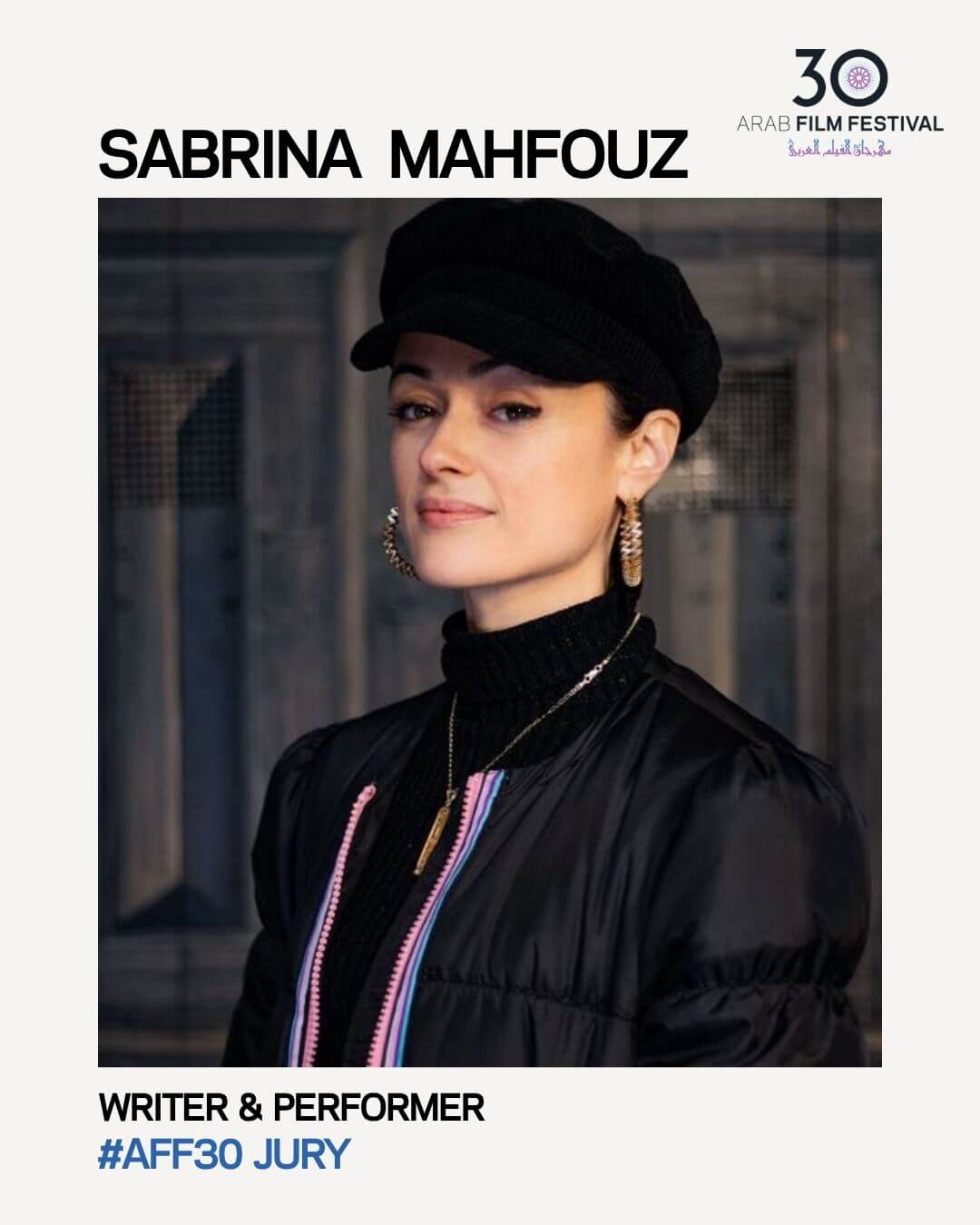
Sabrina grew up in London and Cairo and is a writer of books, plays, TV and poems. For TV she has worked on HBO’s Full Circle; #1 Happy Family USA and A24’s BEEF where she has gotten an Emmy nomination as producer for Outstanding Limited Or Anthology Series – 2026.
In theatre, she wrote for Danny Boyle and Boy Blue’s dance adaptation of The Matrix, Free Your Mind. She was an inaugural Writer in Residence at Shakespeare’s Globe Theatre, where she co-wrote an adaptation of Ovid’s Metamorphoses. She wrote and performed her cross-genre show A History of Water in the Middle East at the Royal Court Theatre. Her numerous other plays have garnered a Fringe First Award, Herald Angel Award, Old Vic New Voices Award, BBC Best Drama Award, Radio Academy Award, UK Theatre Award and an Offie Award.
Sabrina is a Fellow of the Royal Society for Literature and has written, edited and been anthologised in a number of books for adults and children.
AFMI: What excites you most about being part of our jury?
Sabrina Mahfouz: I need little excuse to watch Arab cinema, but being part of this jury will add to the viewing experience things that are as important to it, but often forgotten: discussing, listening, reasoning, celebrating.
AFMI: In your view, why is it important to showcase Arab cinema on a global stage?
Sabrina Mahfouz: Incredible, medium-transforming women have been abundantly involved in Arab cinema since the 1920s. I’m particularly keen to highlight their legacies by celebrating the innovative, contemporary work being made across the region. Without Arab cinema, global cinema would not be what it is, but these foundational cultural achievements are so often pushed aside in favour of narratives that falsely naturalise the Arab world as one where armed conflict and intervention is inevitable, and therefore acceptable to those outside of it. There are many political reasons to want to showcase Arab cinema on a global stage, but there are even more artistic ones.
Shihan Fé Blanca Fahim
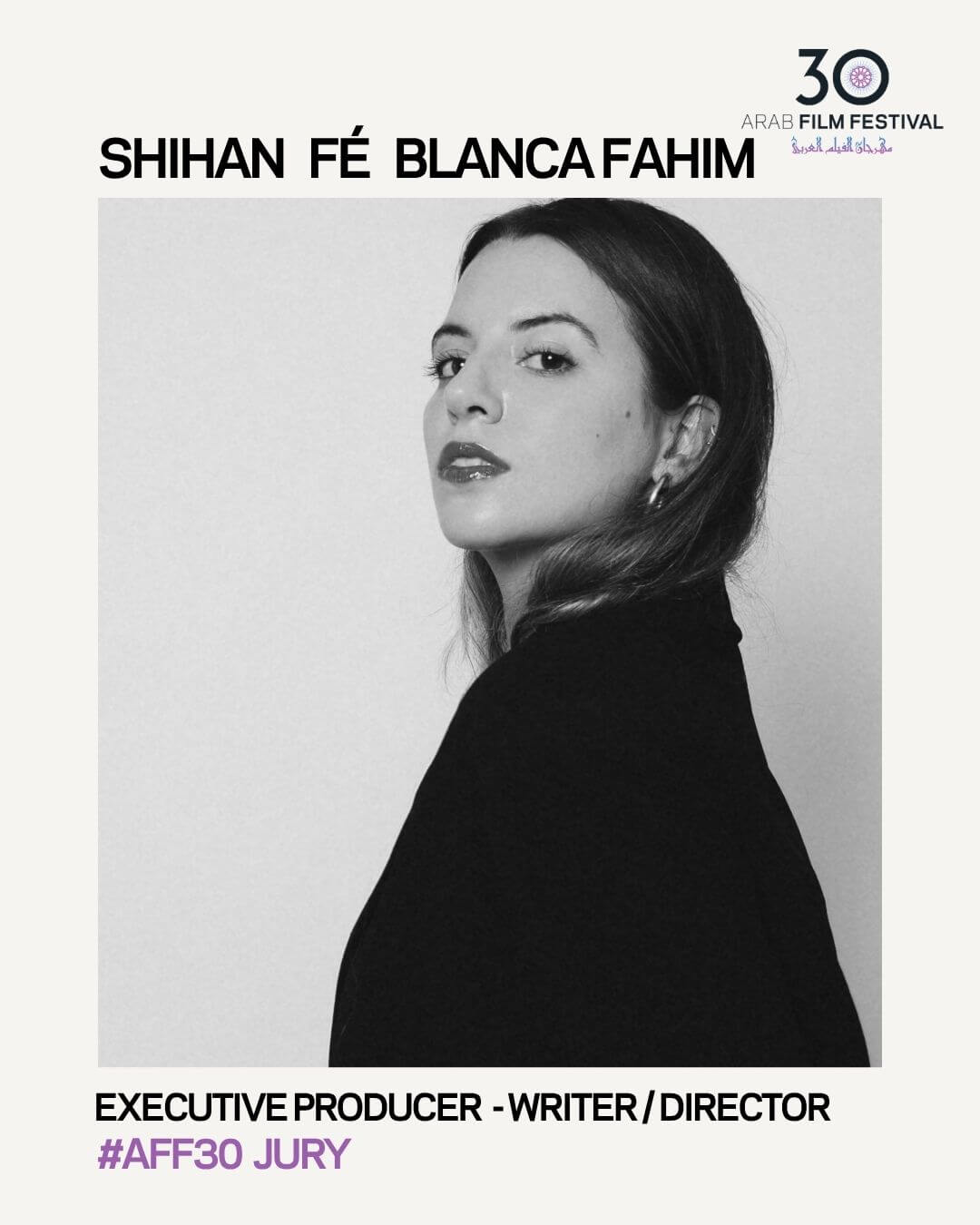
Shihan Fé Fahim is a Moroccan-Argentine Emmy-nominated producer, writer, and director born in Casablanca and based in New York and Los Angeles. She has produced prestige television, including Emily in Paris (Netflix) and Florida Girls (Prime).
A hyphenate with range across narrative and branded work, she has also directed music videos featured in Vanity Fair and narrative shorts with festival runs including Rhode Island International Festival, Director’s Notes and Girls In Film.
Shihan has also written for Rockstar Game’s Vice City and most recently served as the launching Executive Producer for ReelShort’s vertical series in Brazil.
Shihan is currently developing her first feature film which she is to write and direct titled Free Baba.
AFMI: What excites you most about being part of our jury?
Shihan Fé Blanca Fahim: I am most looking forward to fresh stories and new voices I know I haven’t heard from before, especially having grown up without seeing people of similar backgrounds to me on screen. It feels very special.
AFMI: In your view, why is it important to showcase Arab cinema on a global stage?
Shihan Fé Blanca Fahim: Cinema has a unique gift of making people feel close to lives that may seem far away from their own. There are still so many narrow ideas about who we are and what our lives look like. The more we get to see Arab cinema on a global stage, the more complicated, funny, ordinary and unexpected that picture becomes.
Ready to join us in the San Francisco Bay Area or online? Check out the Arab Film Festival site and sign up for our newsletter to receive the latest announcements!


Leave A Comment