
The Cannes Film Festival kicks off tomorrow, May 12th to the 23rd. As usual, we’re bringing you a complete list of the Arab films that will be playing at one of the year’s biggest film festivals.
There are several Arab filmmakers and artists on important award juries this year. Canadian actress and director Monia Chokri is the Jury President of the Camera d’Or committee, which awards the best debut feature film at the festival. Lina Soualem, director of Bye Bye Tiberias, is on the jury that awards the L’Œil d’or, which is given to the best documentary of the festival.
Let’s dive in and see what films from the Arab world are slated to premiere at the 2026 Cannes Film Festival.
All film descriptions and stills are from the Festival de Cannes official website.
Official Selection: Un Certain Regard
There are no Arab films in the main competition for the Palme d’Or this year, but Un Certain Regard, a separate section that rewards young talent and encourages innovative and daring works, has two feature films by Arab directors in their lineup. Leïla Bekhti, a French actress of Algerian descent, is the Jury president, and Lebanese composer Khaled Mouzanar is also on the Jury.

Strawberries (La más dulce) by Laïla Marrakchi
France, Morocco, Spain, Belgium – Narrative Feature
Two young women leave their native Morocco to work as seasonal laborers picking strawberries in Southern Spain. Hoping to return home and provide a better life for their families, their dreams clash with a harsh reality: abuse, harassment, and undignified working conditions at the hands of their employers. The bond they share as unified sisterhood, empowers them to rise above their situation, despite the risks that are needed to advocate for their rights. They must make the difficult decision to speak out against a powerful patriarchal system, risking everything for their own personal justice.
Laïla Marrakchi is a Franco-Moroccan director; Strawberries is her third film, after Marock and Rock the Casbah. It is her first film in thirteen years.
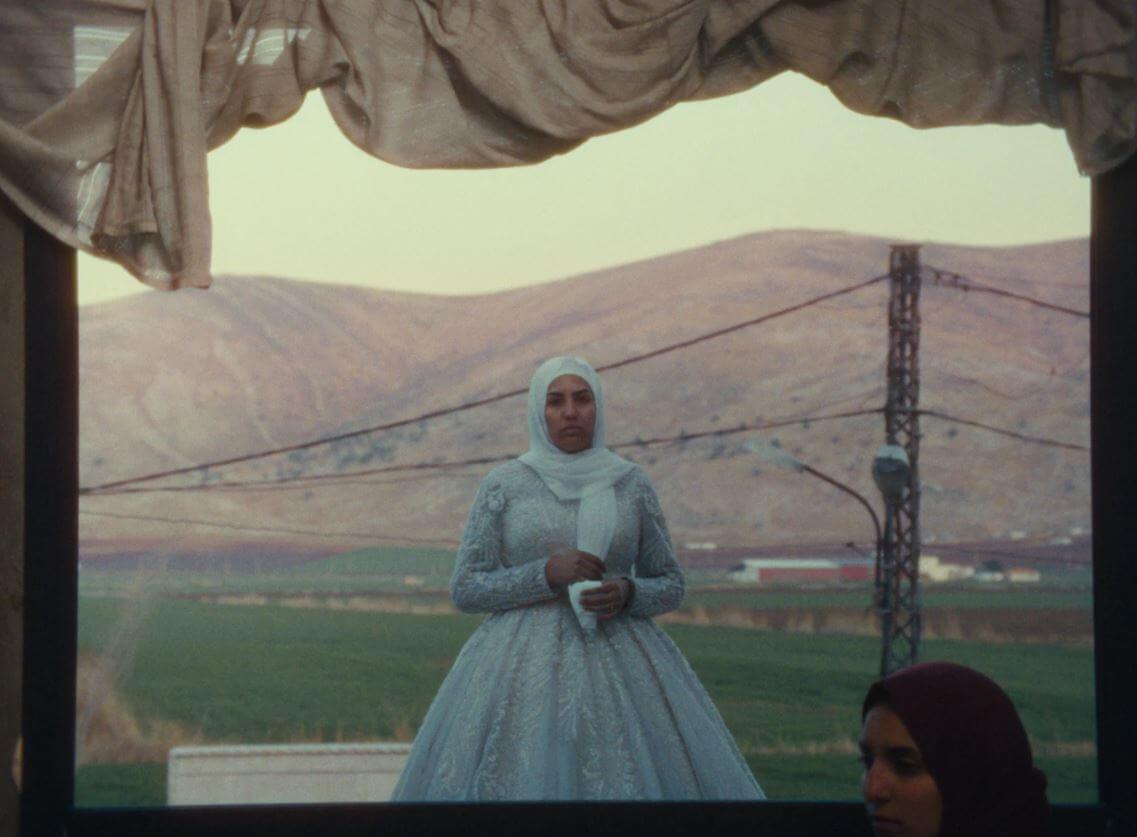
Yesterday The Eye Didn’t Sleep (البارح العين ما نامت) by Rakan Mayasi
Belgium, Lebanon, Palestine, Qatar, Saudi Arabia – Narrative Feature
In the quiet fog of the Bekaa Valley, on the border between Lebanon and Syria, someone sets fire to a truck, and with it a spark of trouble spreads through a tightly woven Bedouin community. Gamra is gone – maybe hiding, maybe running – and her cousin Yasser takes to the roads to find her. The deeper he looks, the more he runs into old grudges and the slow, burning logic of revenge. Back home, his sisters, Jawaher and Rim, are chosen to make things right. They are not asked but offered. One is calm, the other resists, but both know how quickly girls can be traded for peace. This is a film about what happens in the quiet, in fields, behind curtains, inside vans. It is about women who carry too much, men who speak in codes and a land that holds its breath, waiting for something to end…or begin.
Rakan Mayasi is a Palestinian director. After directing several short films, Yesterday the Eye Didn’t Sleep is his debut feature film, making him eligible for the Camera d’Or award.
Official Selection: La Cinef
The Cinéfondation, or La Cinef, is a category that awards short films made by students at films schools. The top three winners receive cash prizes. ISAMM, a film school based in Tunisia, was invited to participate for the first time. Two Arab students had their films selected for this category.
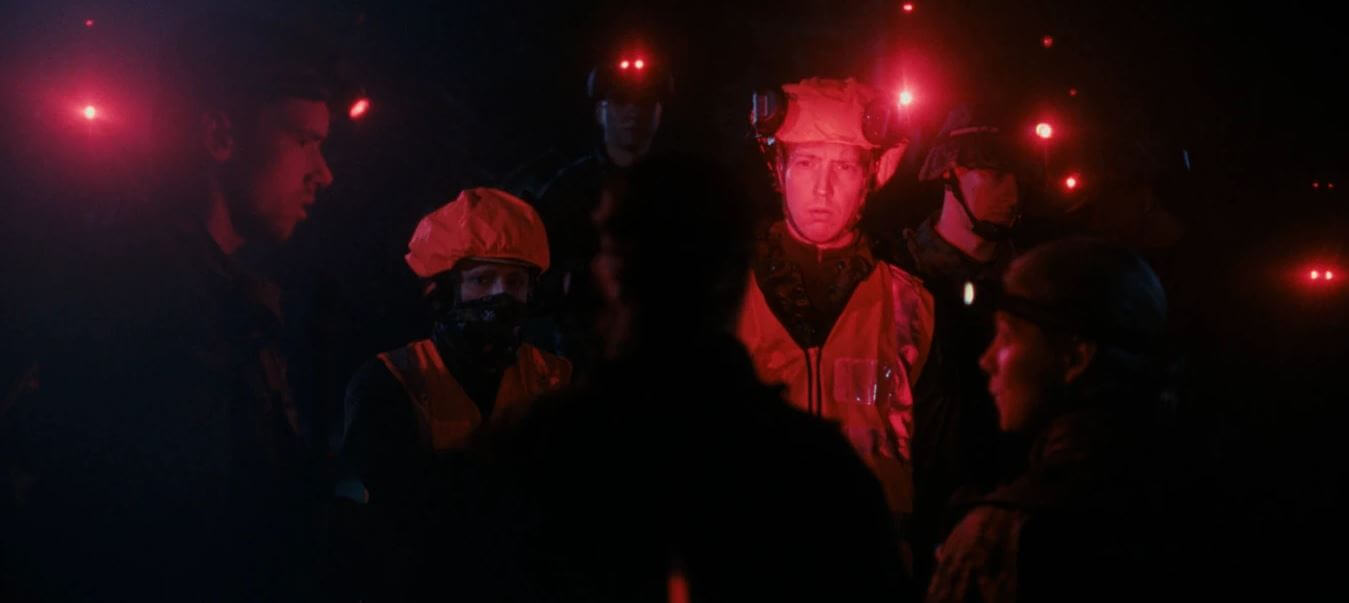
28 Days Left by Yasmin Najjar
Finland – Narrative Short
A Finnish-Palestinian woman, is completing her voluntary military service in the Finnish Army’s medical corps. During a final combat exercise, Lillak learns that the crisis in her father’s homeland has further escalated.
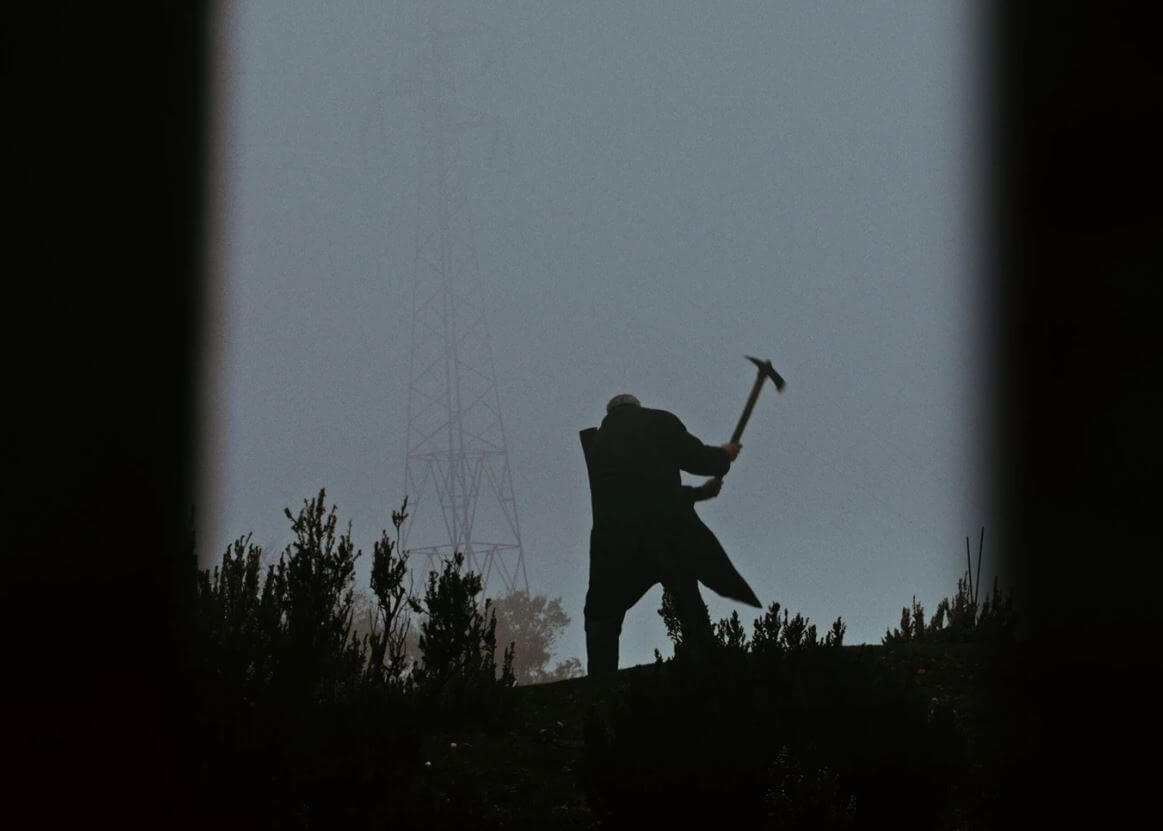
Somewhere I Belong by Youssef Handouse
Tunisia – Narrative Short
When the home he remembers exists only in memory, a returning son must face the truth that belonging cannot be reclaimed, only rediscovered.
Independent Sections: Critics’ Week
A parallel section at Cannes, Critic’s Week aims to discover new talents, showcasing first and second feature films. There is one Arab feature film in competition and three short films.
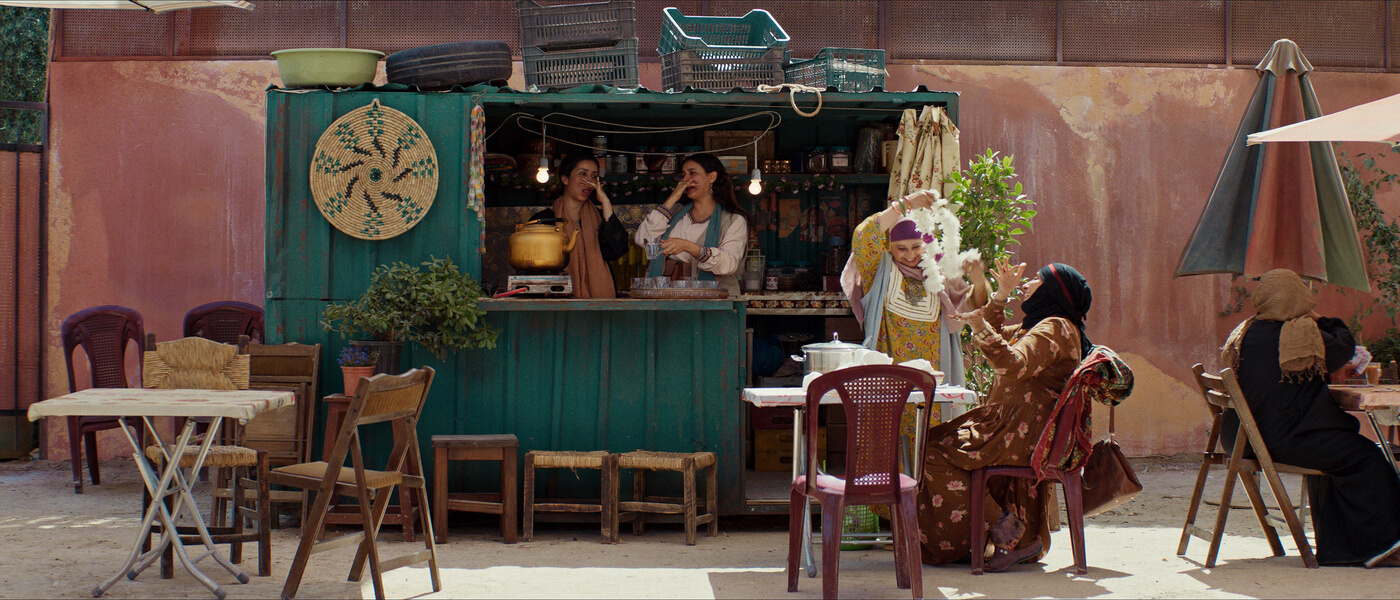
The Station (المحطّة) by Sara Ishaq
Yemen, Jordan, France, Germany, Netherlands, Norway, Qatar – Narrative Feature (In Competition)
Layal runs a women-only petrol station in Yemen, a safe haven in a war-torn country. There, the rules are simple: no men, no weapons, no politics. When Layal’s younger brother faces enlistment, she reunites with her estranged sister to save the one life they still can.
Sara Ishaq is a Yemeni-Scottish filmmaker, previously Oscar-nominated for her short film Karama Has No Walls in 2012. The Station is her first feature film, making her eligible for the Camera d’Or.
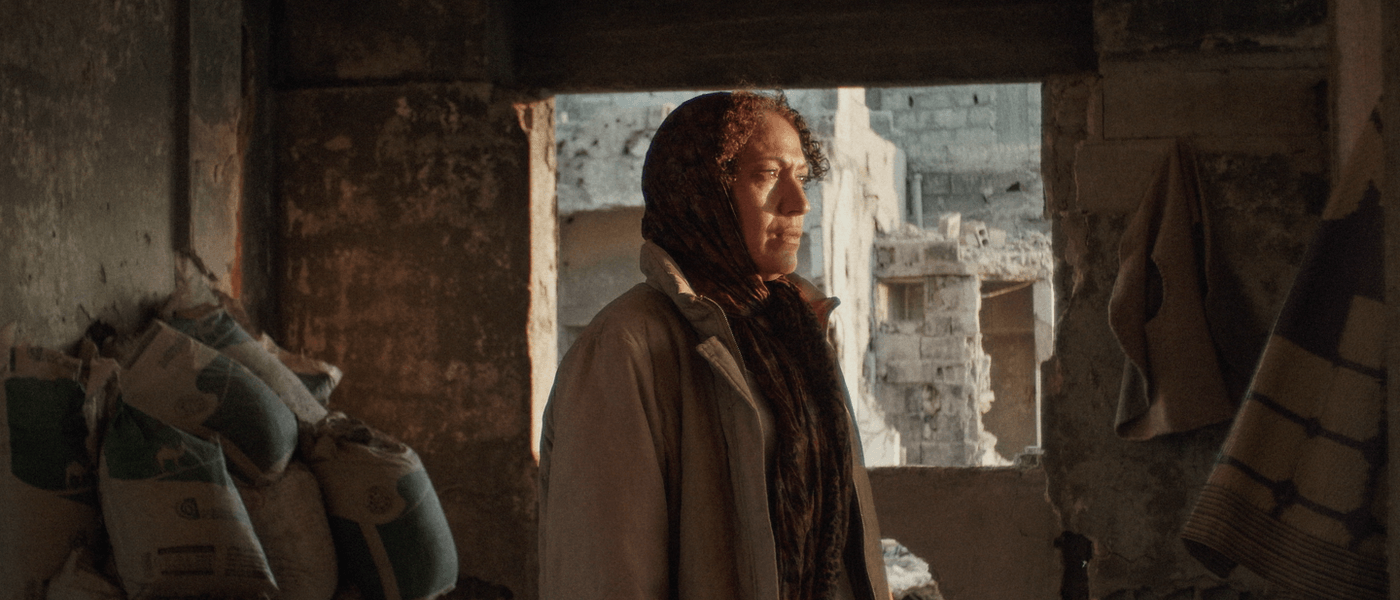
Nafron (نفرون) by Daood Alabdulaa
Syria, Germany – Narrative Short (In Competition)
In a country undergoing an awakening, a middle-aged woman wanders through war-torn Damascus. Just a few weeks after Assad’s fall she is searching for herself as she has lost her memory. When her path crosses Amira’s, the two women may just change each other’s lives by providing the answers each is looking for.
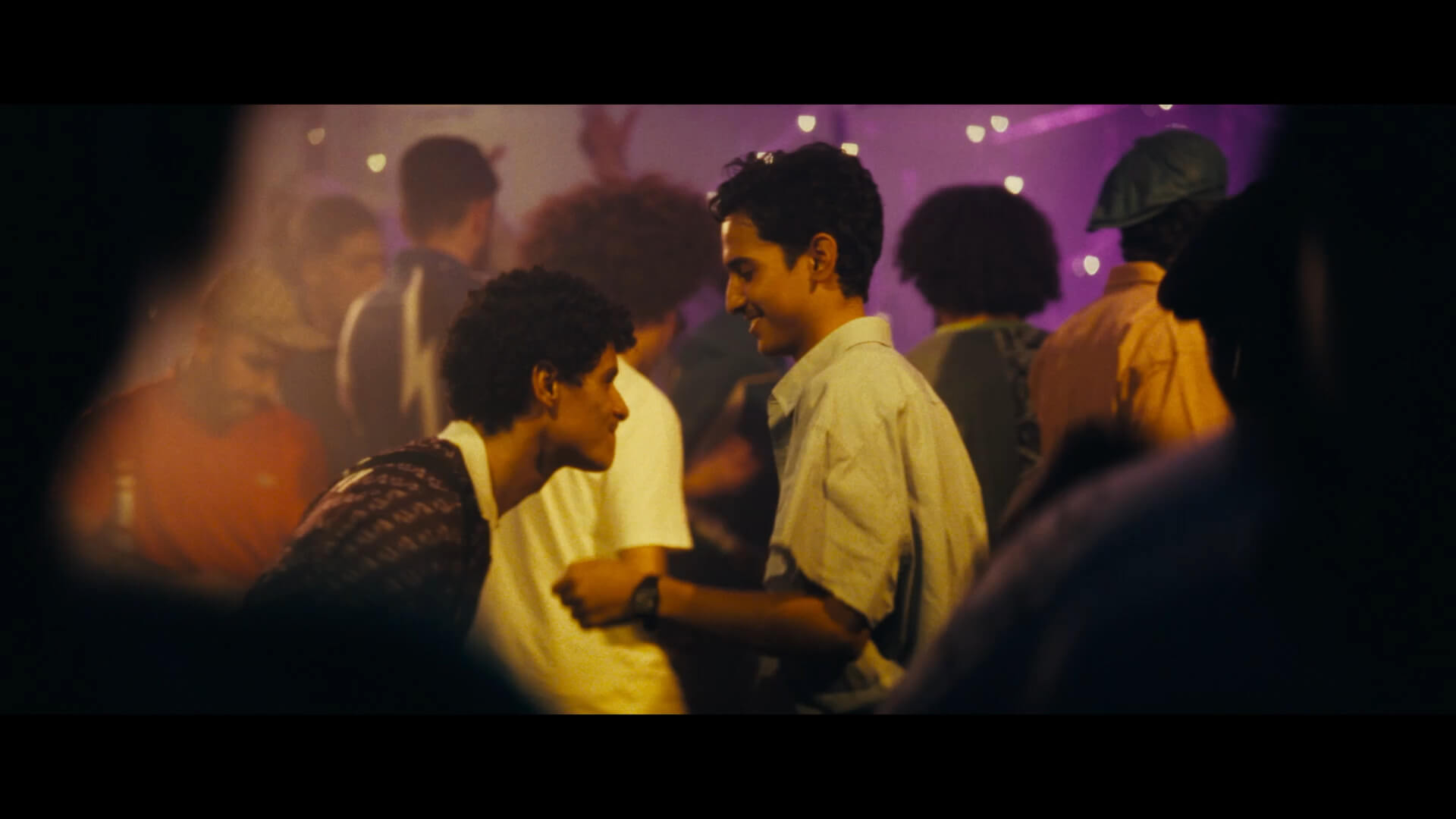
What Do the Maknines (À quoi rêvent les Maknines) by Sarra Ryma
Algeria, France – Narrative Short (In Competition)
What Do the Maknines Dream of follows the existential drift of two young Algerians as they are about to leave everything behind to cross the Mediterranean. Over the course of a day, the film is an invitation to get lost with this unusual couple, to experience their loneliness, to wander along with them through the streets, to share their passions, their fears, and to feel their pain as they say goodbye.
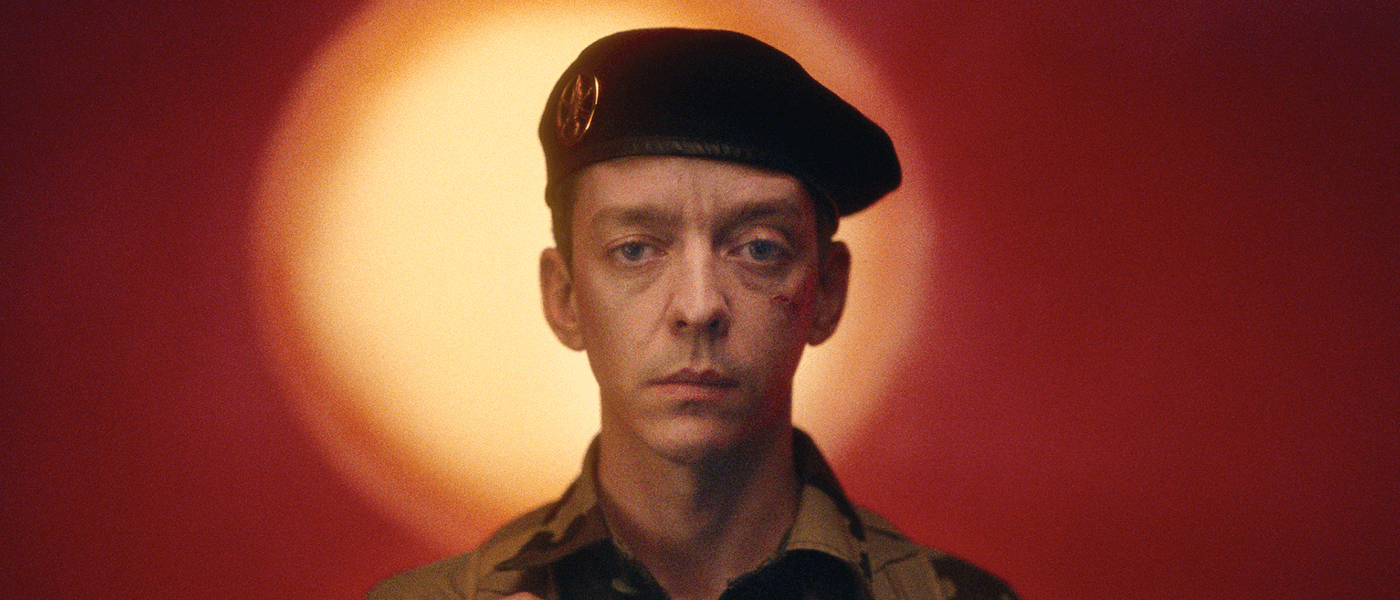
The Sentinel (La Sentinelle) by Ali Cherri
France – Narrative Short (Special Screening)
July 14, on Bastille Day. Strained by the military cadence of the barracks, Sergeant Lafleur struggles with the silent burden of duty. A doctor grants him one night of freedom, under the condition that he shall return before dawn. Nocturnal wanderings begin in the heart of a world which gradually drifts away from reality. A night suspended between destiny and desertion.
Ali Cherri is an artist and director of Lebanese descent.
Independent Sections: Director’s Fortnight
Director’s Fortnight is an independent section playing parallel to the Official Selection at Cannes, showing a variety of features, documentaries and shorts. There are two Arab shorts playing this year.
All film descriptions and stills are taken from the Quinzaine Cineastes official website.
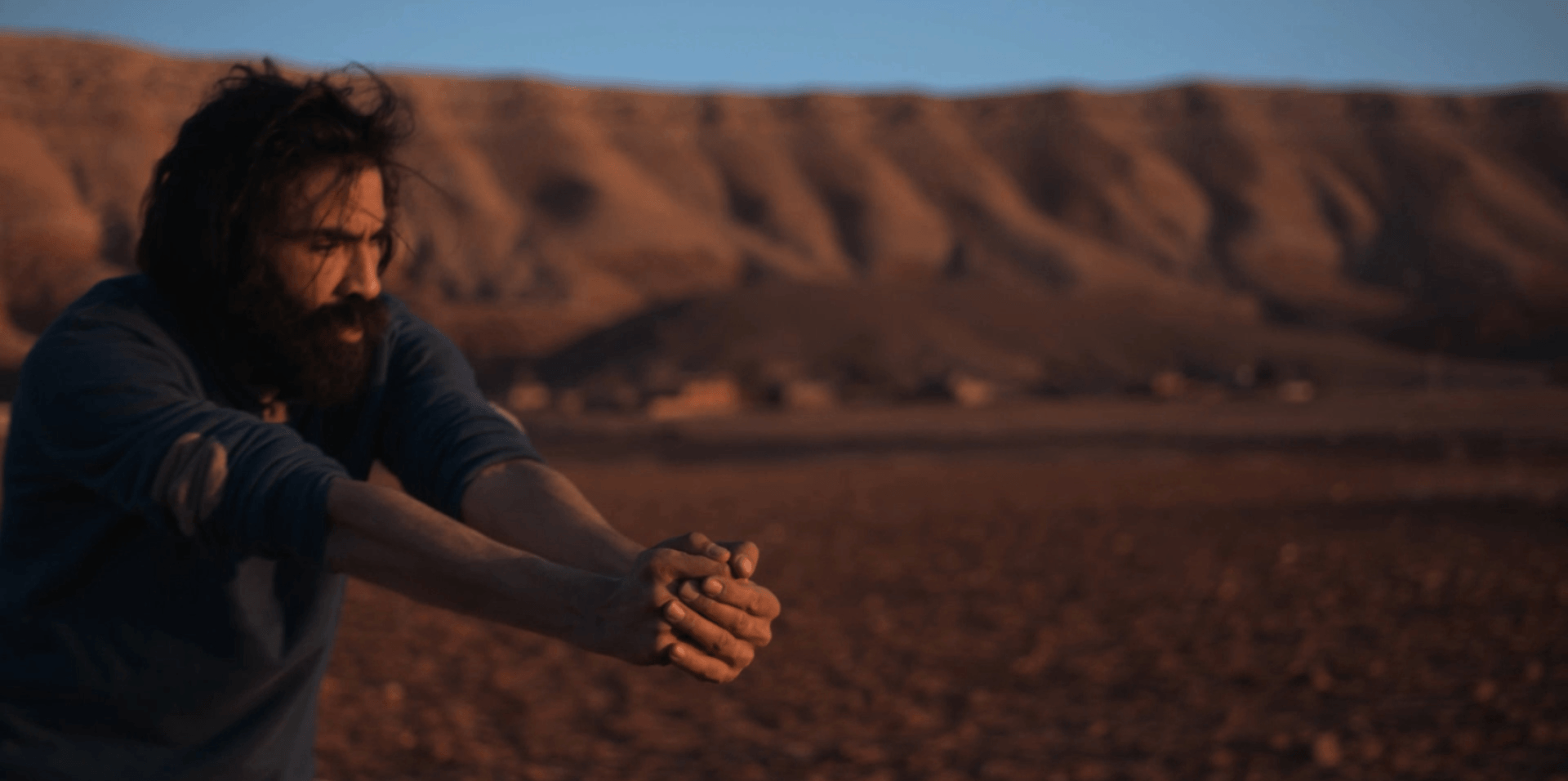
In Search of the Grey Bird with Green Stripes (À la recherche de l’oiseau gris aux rayures vertes) by Saïd Hamich Benlarbi
France, Morocco – Narrative Short
South of Marrakech, Sellam travels the roads of the Atlas Mountains in pursuit of a mysterious bird.
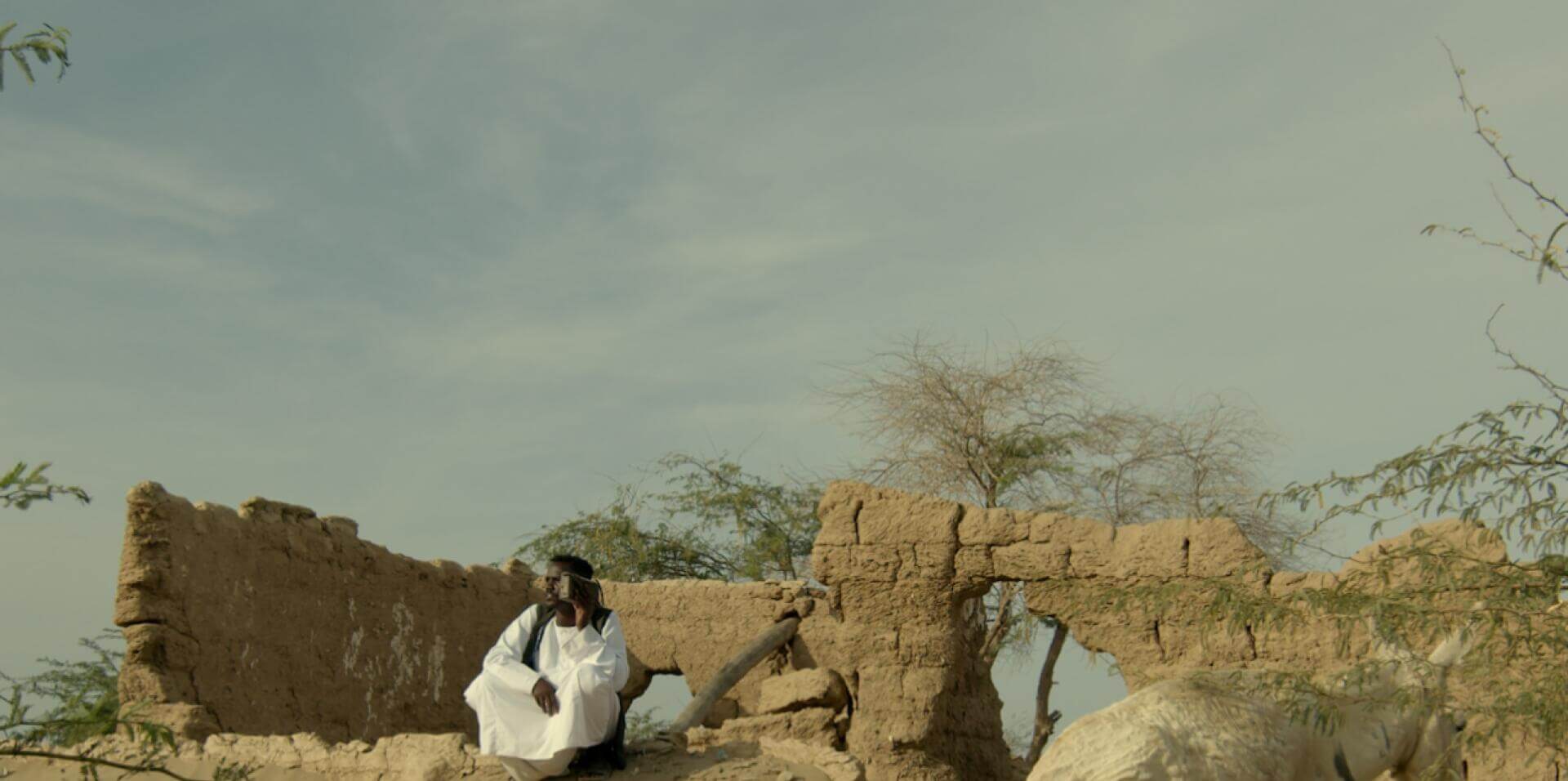
Nothing Happens After Your Absence (لا شيءَ يحدثُ بعدَ غيابِكَ) by Ibrahim Omar
Egypt, Sudan – Narrative Short
Ibrahim goes back to the village he once left, hoping to screen films. But as he wrestles with custom and bureaucracy, war ignites across Sudan, turning his search for a screen into a battle to stay alive.
If you are at Cannes this year, let us know which movies you are watching in the comments.
PS: if you are curious about past Cannes Film Festival editions, you can find more here.



Leave A Comment