
AFMI is proud to announce a special Archiving Armenian Stories program at the 28th Arab Film Festival. In this special program, we will highlight Armenian stories that are in conversation with the entire SWANA region.
Archiving Armenian Stories will screen on Oct. 26th in San Francisco. The screening will be followed by a discussion.
Co-presented by Mother Armenia
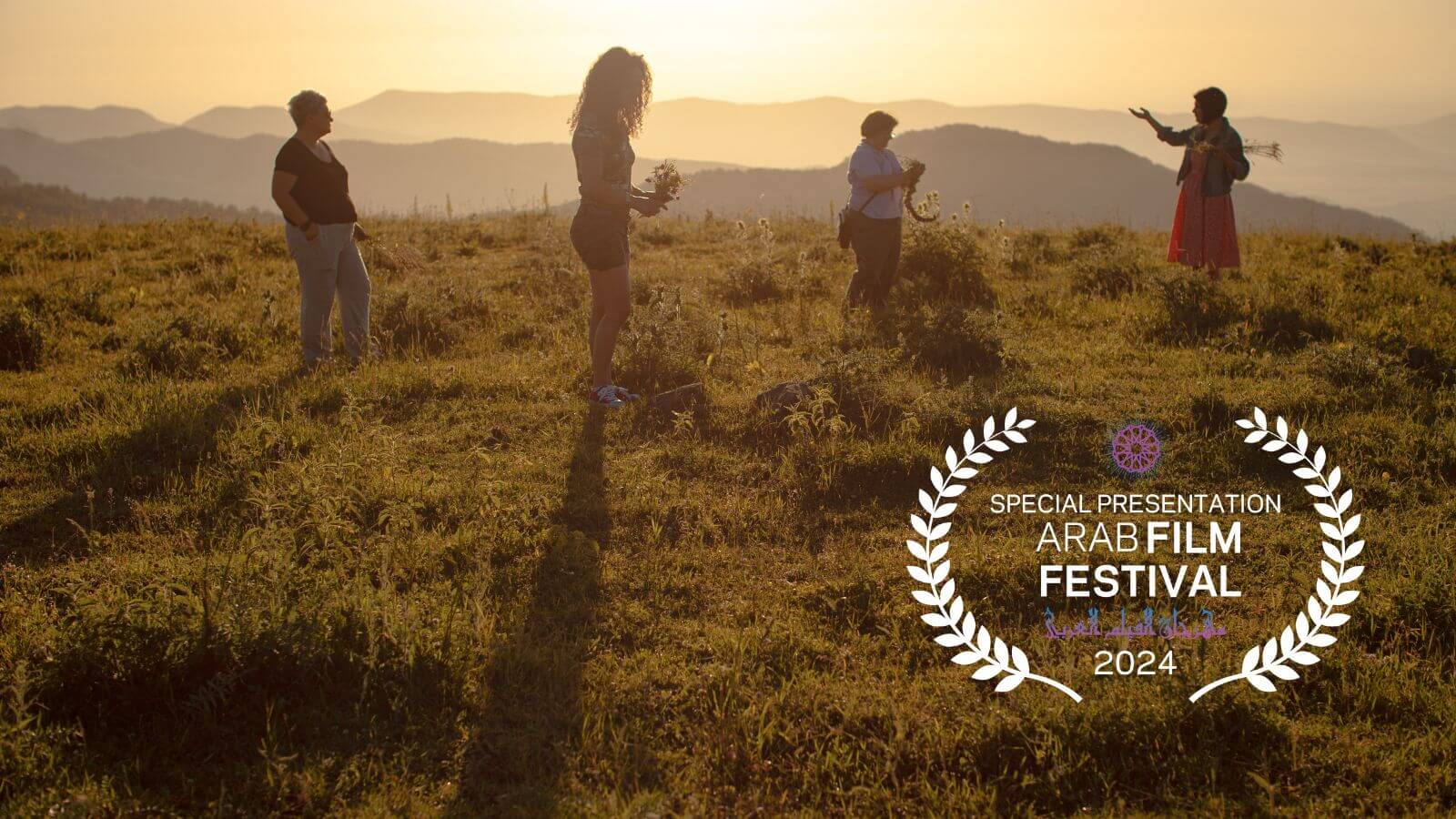
In light of the recent violence against and ethnic cleansing of the Armenian community in Artsakh, and the clear parallels to the ongoing genocidal violence in Gaza and Sudan, we believe it is important that we provide space for the Armenian community in the San Francisco Bay Area.
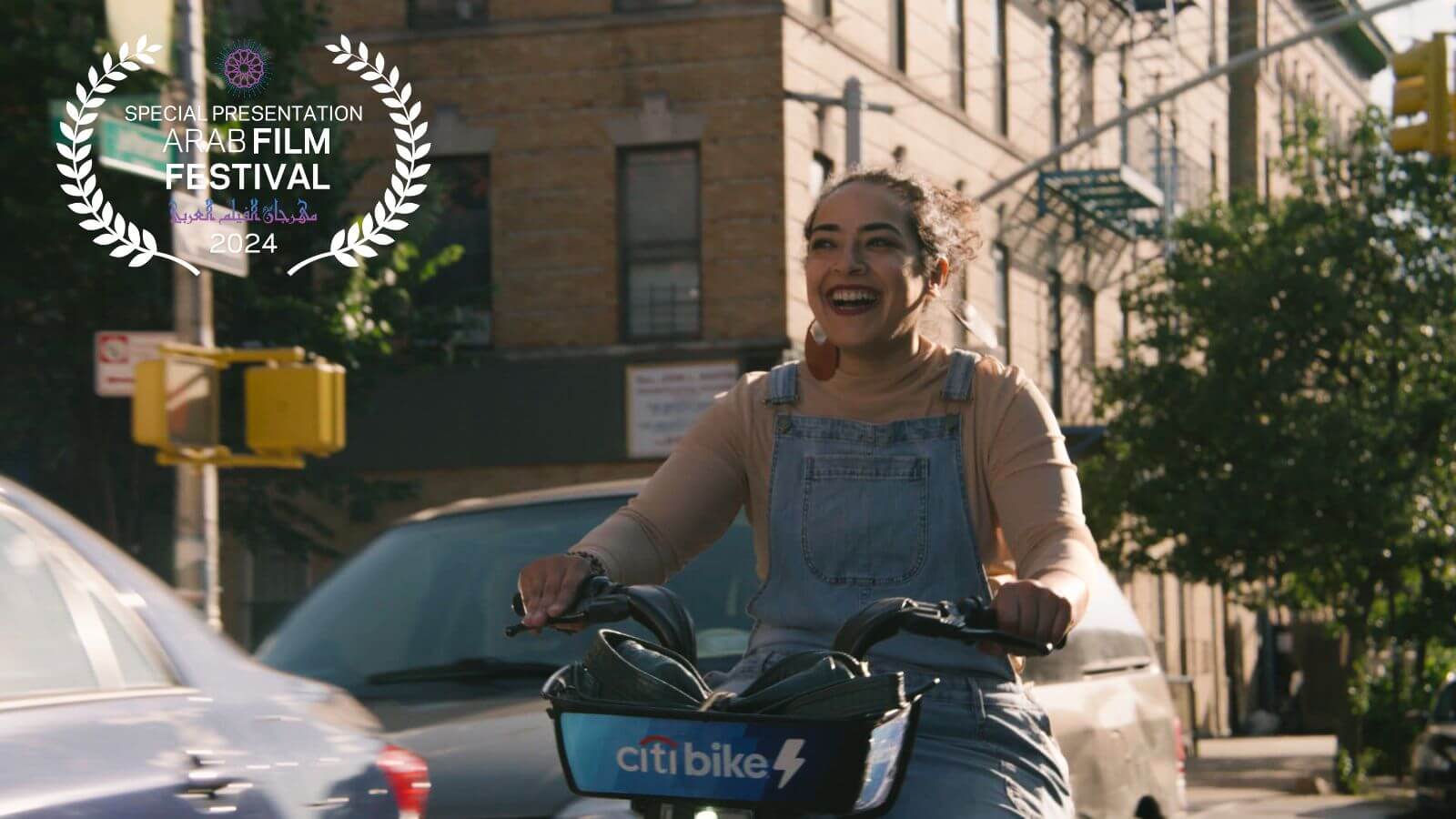
The event will begin with a screening of two documentary films: There Was, There Was Not by Emily Mkrtichian and the short film Symptom by Kamee Abrahamian. Both films chronicle the stories of Armenian women – their passions and practices as well as their hopes and dreams, while they deal with the aftermath of war, the beginning of a new conflict, and other social and political issues that plague those living throughout Armenia.
This will be followed by a panel discussion with the filmmakers and other members of the community in which they will discuss the importance of cultural documentation and ancestral preservation and reclamation. Themes of this discussion will include the importance of alternative archival methods and documenting in radically personal ways, with a focus on how individuals can preserve their own history through the digitization and preservation of old photos and videos, writing and recording of oral histories, or filming one’s own experience.
There will also be a focus on the point of view of women in archival practices and the importance of being able to represent oneself instead of being represented by others.
Browse the full festival’s schedule.
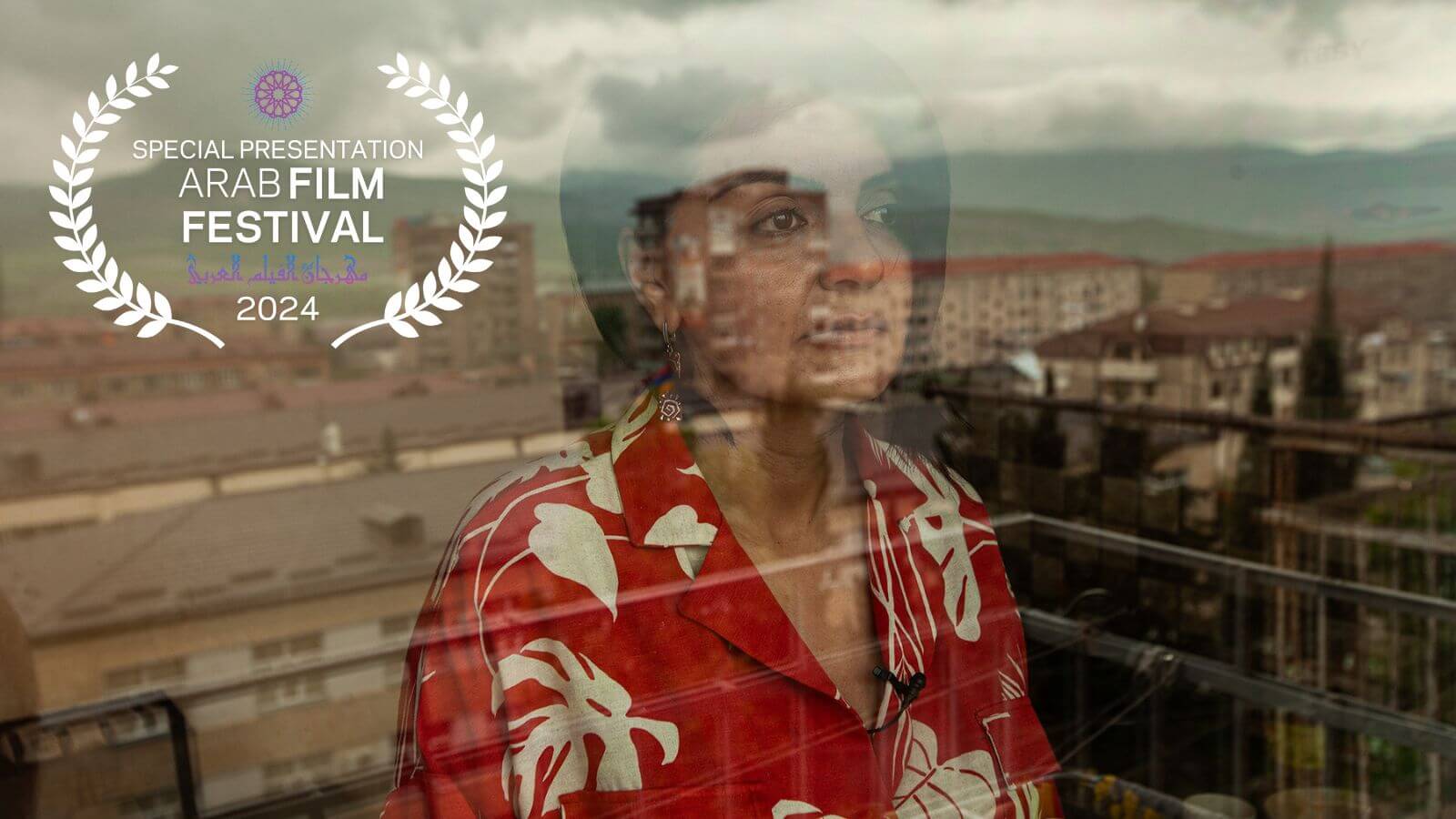
There Was, There Was Not
Directed by EMILY MKRTICHIAN
Runtime: 90 minutes
Country: Armenia
Year: 2024
Language: Armenian
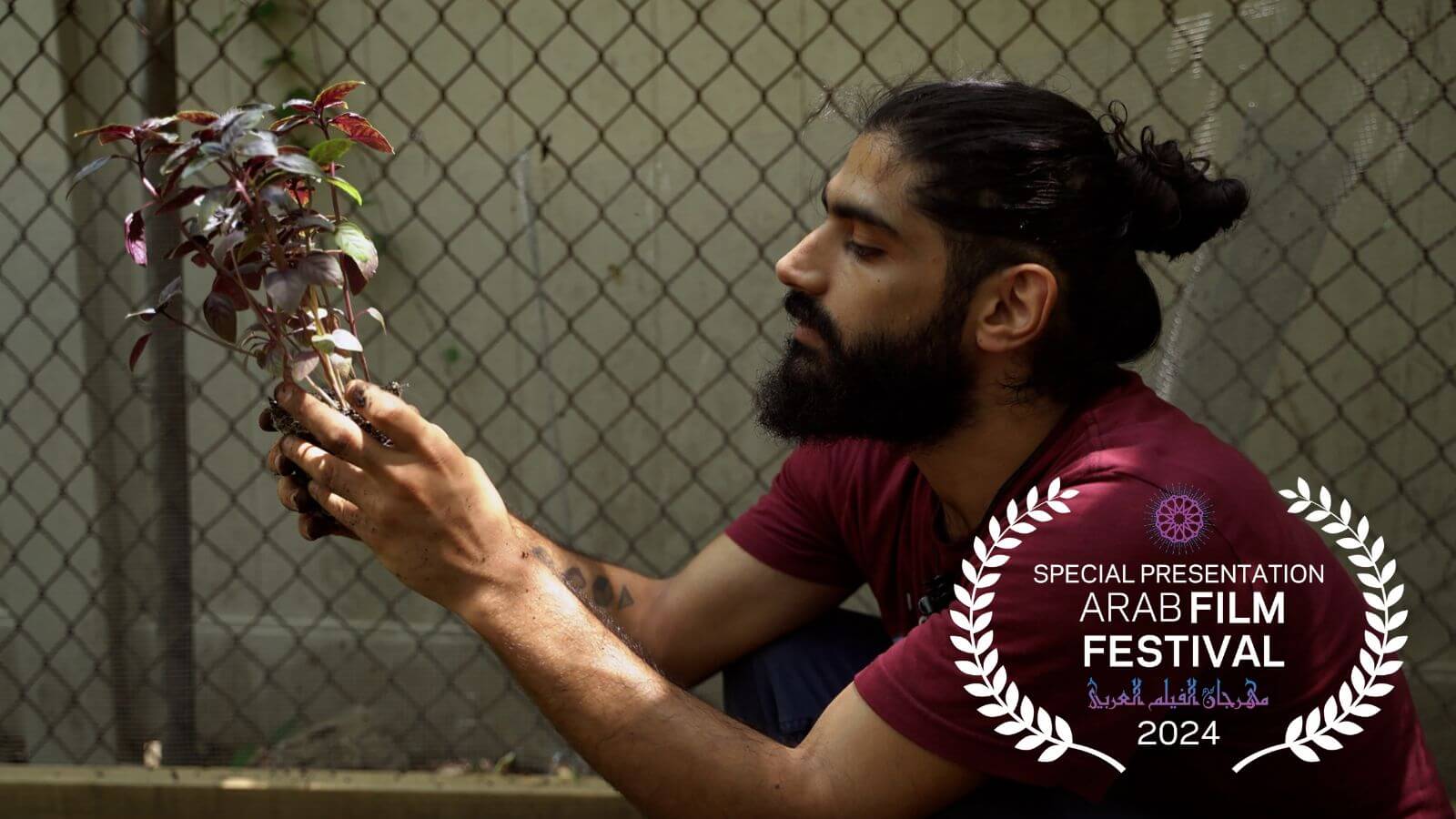
There Was, There Was Not follows four women living in the Republic of Artsakh, an unrecognized country reckoning with the aftermath of one war while on the precipice of another. In the midst of this uncertainty, four women build a life with the hope of making their home a better place.
When war breaks out again, what began as an observational meditation on women’s roles after conflict becomes an urgent and intimate record of their lives interrupted once again by war. From taking up arms on the front lines to fleeing their homes as refugees, we watch each woman’s life change irrevocably. The war ends in the unimaginable: the complete ethnic cleansing and erasure of their homeland. Amid these women’s struggle for survival in a new reality, this film becomes the myth of a home lost forever, and the power of story to keep it alive.
There Was, There Was Not won the FIPRESCI Prize (International Critics Award) at the 2024 Golden Apricot Film Festival.
Director’s Statement
“I never meant to make a film that documented war, displacement, and ethnic cleansing. I meant to make a film about how women create a sense of home and a better future for their communities, after the rupture of war, displacement, and ethnic cleansing. But history repeats itself.
There Was, There Was Not began as a way to connect the stories of my culture I heard growing up with four women who were actively creating that culture, and building a future I wanted to be a part of. From a young age, every part of my connection to Armenia was filled with story and myth; when I moved there, listening to and observing the stories of its people was how I created my own relationship to this place. As someone whose grandparents had been displaced from their homelands, I was drawn to the people and the women of Artsakh – their precarious existence in an “unrecognized” country made their connection to the land and home stronger than anyone else I had ever met. I wanted to document their commitment and love for this place, and the unrecognized ways they made it better – creating a new story for the future.
And then the war broke out.
After years of building relationships with these four women, it was never a question for me whether or not I would stay and document what was happening. Even as bombs fell around us, we looked out for each other, cared for each other, and tried to offer strength and support. The women kept telling me, ‘That camera is our weapon.’ After the war, together we mourned the loss of our land, a loss we as Armenians have felt over generations, and tried to strengthen each other in the face of what feels like endless persecution and violence.
This film has become our record of that persecution, but also of the resistance, resilience, and creativity we as women constantly offer in the face of it. As I watch other communities around the world suffer violence, genocide, persecution, displacement and ethnic cleansing, I offer this record as hope to other women around the world fighting for their homes, and working to strengthen their communities and to guarantee safety and security for their children and families.” – Emily Mkrtichian
About the Director, Emily Mkrtichian
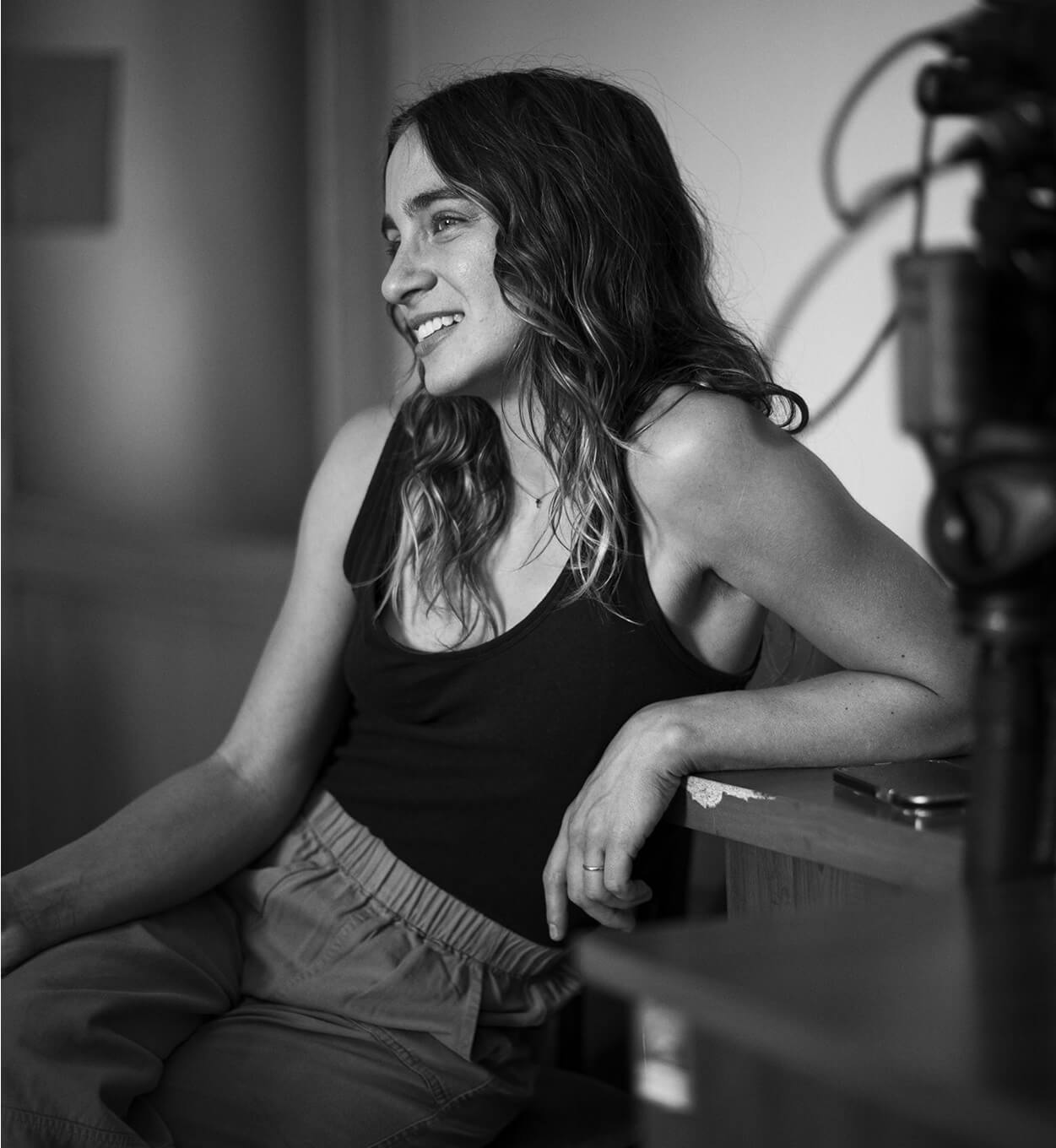 Emily Mkrtichian is a filmmaker, multimedia artist, and interdisciplinary creative collaborator. Emily’s evolving artistic practice reflects her upbringing in a displaced, diasporic family, and centers the decolonized narratives of women, especially from the SWANA region, and a deep commitment to the healing power of relational, ethical, collaborative storytelling.
Her films include the sci-fi short Transmission, which premiered at BFI FLARE Film Festival, the short documentary Motherland, which premiered at the Full Frame Film Festival and won the Best Short Documentary Award at the Copenhagen International Film Festival, and the feature documentary film, There Was, There Was Not, which has been supported by the Sundance Institute, the IDA, Chicken & Egg Pictures and HotDocs and won the FIPRESCI Prize (International Critics Award) at the 2024 Golden Apricot Film Festival.
Her multimedia Installation, Luys i Luso, made in collaboration with Tigran Hamasyan, has been exhibited in museums, concert halls, and public spaces around the world. Emily has been a Flaherty Seminar Fellow, a LA Public Arts Activation Fund recipient, A Locarno Film Festival Open Doors grant winner, a UnionDocs Summer Lab Fellow, a resident at the Yerevan Institute of Contemporary Art, and participated in the Torino Film Lab.
She currently splits her time between the US and Armenia.
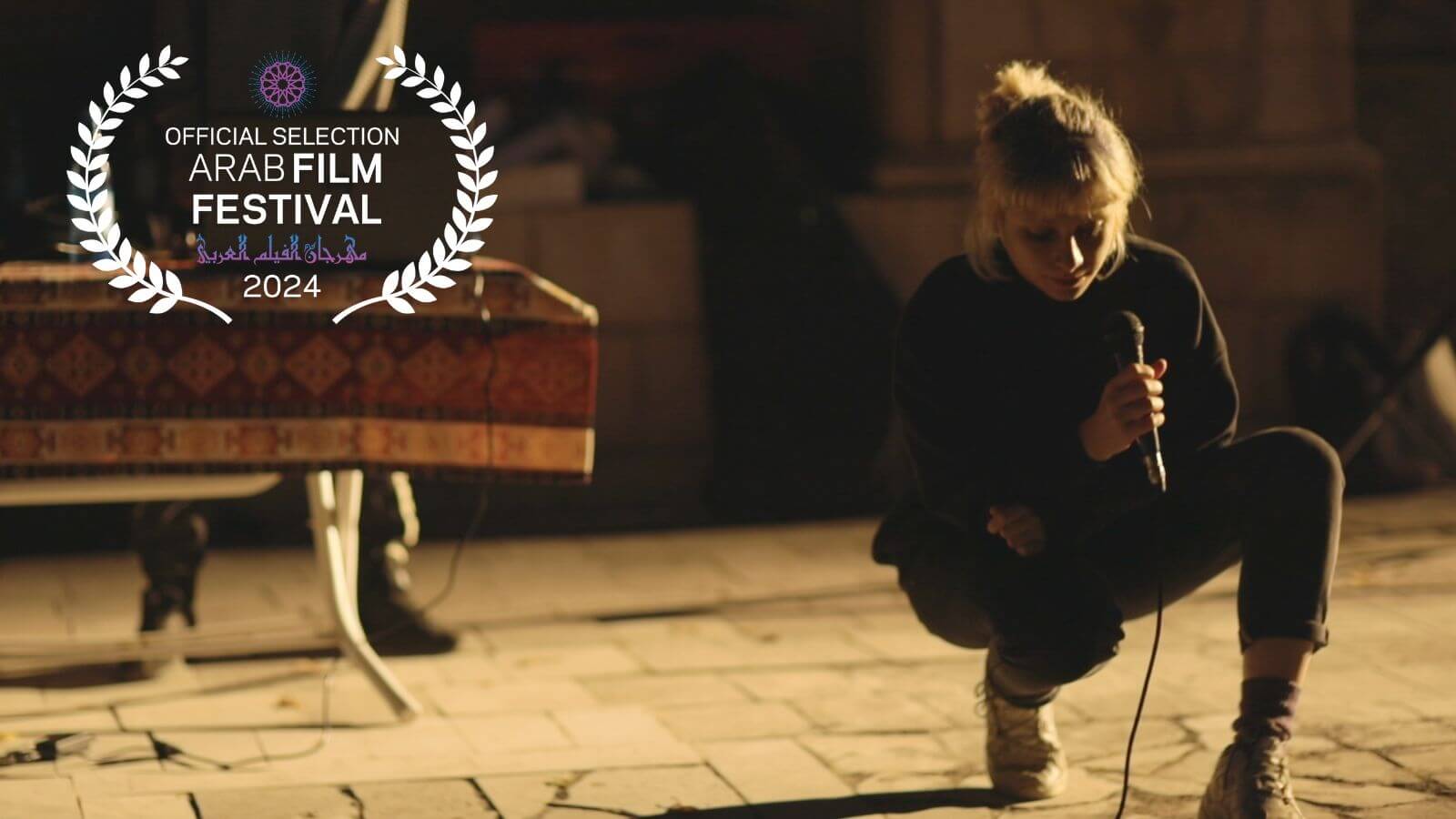
Symptom
Directed by KAMEE ABRAHAMIAN
Year: 2023
Country: Canada, Armenia
Language: Armenian, English
Embodying the dreams and poetics of a post-Soviet generation, two young Armenian women share their politics of justice and feminism with the world through their music.
Symptom is a short documentary that follows Sona and Amassia. Embodying the dreams and ideologies of Yerevan’s post-Soviet generation, Sona and Amassia meet in high school and form an experimental electronica band called Symptom Error. They soon become well known amongst younger generations for their underground shows, which are often disrupted by sexist and homophobic discrimination and police intervention. Reflected in their experiences is the reality of limited safe space for young folks to gather, be creative, share their art and stories, and collaborate – especially those living on the fringes of Armenian society. The stakes get higher on the eve of the Velvet Revolution. Thousands take to the streets, largely led by youth and students, becoming the most prolific revolutionary movement in contemporary Armenian history.
Sona and Amassia are the first amongst their friends to join the crowds, filled with the hopeful potential of transforming a corrupt sociopolitical system. In this way, the poetics shared through Symptom’s music evoke the very dreams generated through resistance movements and revolutions, insisting that social and political change will lead to a more liberated world for all.
Under the weight of all this pressure, Sona and Amasia continue to express themselves through music. They also seek refuge on the rooftops of buildings, free from social limitations and safe from observing eyes. In this sanctuary, they dream of a liberated future and lead a more carefree life. They write music, call in spirits, dye their hair, and play silly games.
As the people of Armenia feel the waves of the Velvet Revolution for years to come, we follow Symptom through their rise to fame. For Sona and Amasia, the pandemic was not the only crisis they faced in recent years – there was also a war in Artsakh (also known as Nagorno-Karabakh) and Armenia’s struggle against ongoing Azeri aggressions. Through all this, Symptom never stopped making music, and their dreams take shape as they prepare for their first international tour.
Symptom’s story is driven by their shared and respective struggles and dreams as young, revolutionary musicians who are surviving and thriving by way of an experimental and politicized artistic practice.
Director’s Statement
My intention as a filmmaker is to transcribe the poetic and political nature of Symptom’s music and story to the screen. In following the band’s experiences, starting from their first underground shows that were often shut down by homophobic police, through to their success in the present day, my goal is to highlight the activism and dreams of a young Armenian duo as they push the boundaries of electronica and post-Soviet youth culture. As a central theme, Symptom’s creative practice evokes resistance and transformation of systemic patriarchy and corruption in their cultural and political context. Feminist and LGTBQIA+ issues remain a social taboo in Armenian communities of the Western diaspora, but especially in the Republic of Armenia. For this reason, feminists and queer Armenians still face discrimination today. Personally, Symptom’s story feels especially poignant for me as a queer, feminist Canadian-Armenian storyteller and activist. I have long been committed to using film to bring underrepresented queer and Global Majority voices to the fore, and to build community through politicized storytelling. It is a personal and political act, as a descendant of genocide survivors and a family who has been displaced from the SWANA region, to tell stories that generate nuanced perceptions of the experiences of the communities I belong to, while also invoking all the tender complexities of queerness, feminism, diaspora, homeland, return, revolution, and resistance.
About the Director, Kamee Abrahamian
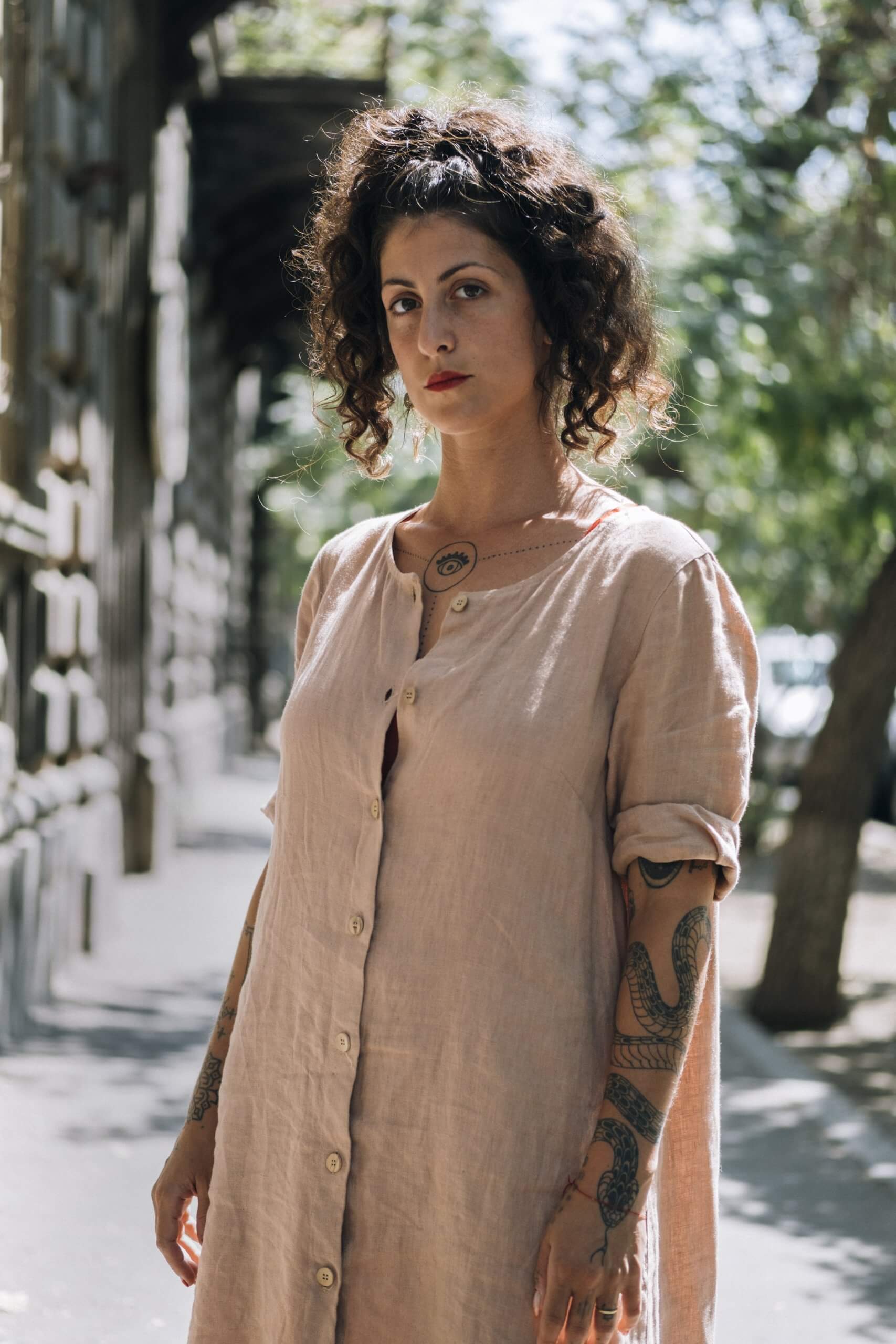
Kamee is an interdisciplinary artist, filmmaker, community organizer, caregiver, queerdo, waitress, and witch. Born into an Armenian family displaced from Syria/Lebanon and grown in an immigrant suburb, their work is steeped with relational and generative practices oriented towards ancestral reclamation, visionary fiction, and diasporic futurism. Kamee holds degrees in cinema, poli-sci, art therapy, and a PhD in community and liberation psychology. They have created, produced, toured, and presented a vast body of work that includes narrative and documentary film, visual and media art, staged and immersive performances, exhibitions, magazines, anthologies, workshops, festivals, advocacy campaigns, and podcasts. Their projects have been supported by local and national funding bodies across Canada, USA and Armenia.
Kamee is also a Pushcart nominated and Amnesty-supported writer, a literary alumni at VONA and Banff Center for Arts, and a prize-winning theater maker whose plays were published in anthologies that received a Lambda award. The documentaries they’ve produced have received support from Sundance, HotDocs, and Catapult. Their short film Transmission (2019) – the first ever Armenian science fiction film known to date – premiered at BFI FLARE and screened at multiple festivals. Through the mentorship of Matrix-creator Lilly Wachowski, Kamee is currently developing a limited series called Ensouled and a feature called We Are Our Mountains.
Archiving Armenian Stories will screen on Oct. 26th in San Francisco. The screening will be followed by a discussion.
For more information about the 28th Arab Film Festival, visit arabfilmfestival.org



Leave A Comment